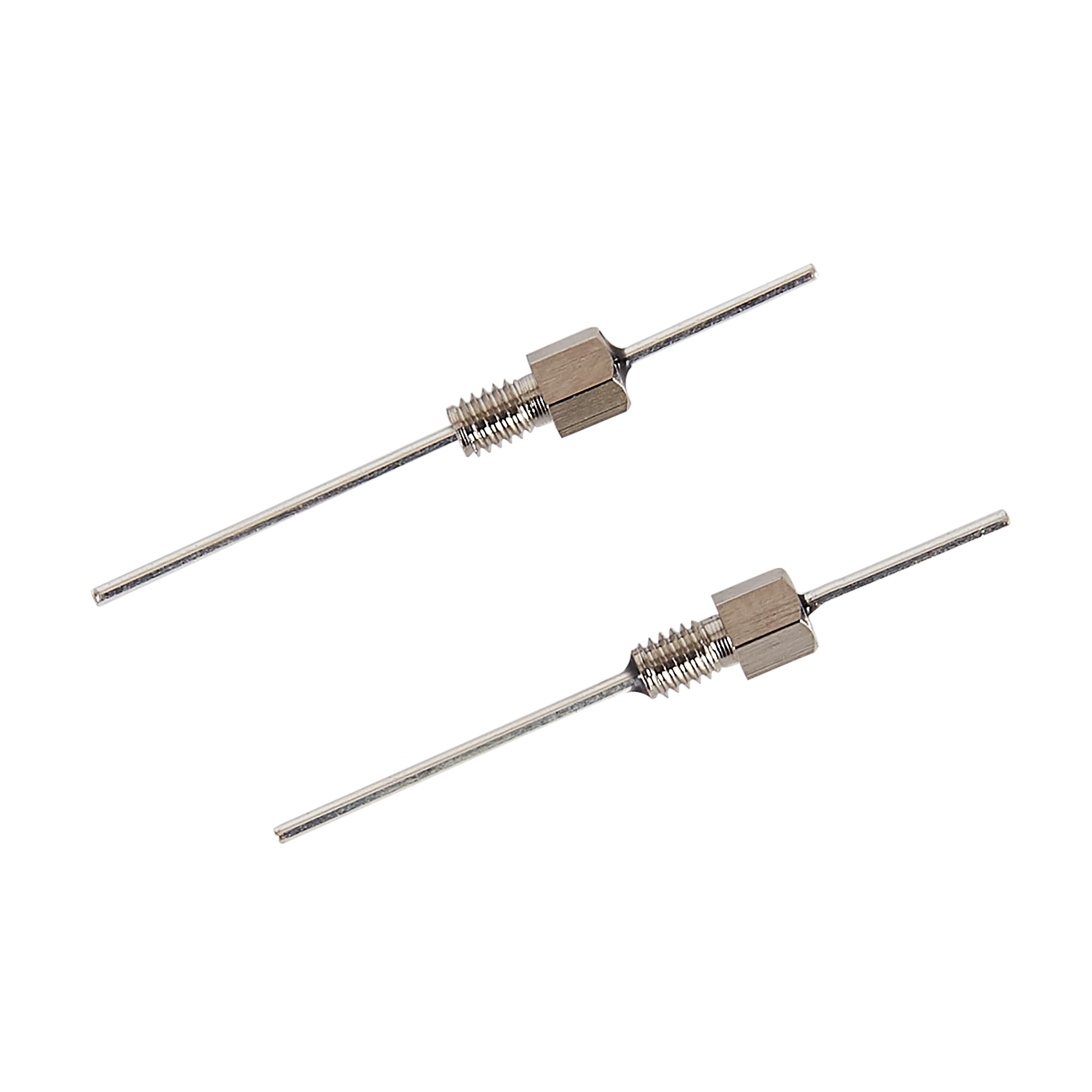
 Screw Type EMI FilterL3325 SeriesL4030 SeriesL5040 SeriesL5060 SeriesL6040 SeriesL6050 SeriesL8050 SeriesL8060 SeriesL9860 SeriesL10080 SeriesL1/4-28UNF-2A SeriesL4-40UNC-2A SeriesL5/16-24UNF-2A SeriesL5/16-32UNEF-2A SeriesL6-32UNC-2A SeriesL8-32UNC-2A SeriesL8-36UNF-2A SeriesL12-28UNF-2A SeriesL12-32UNEF-2A SeriesL140120 Series
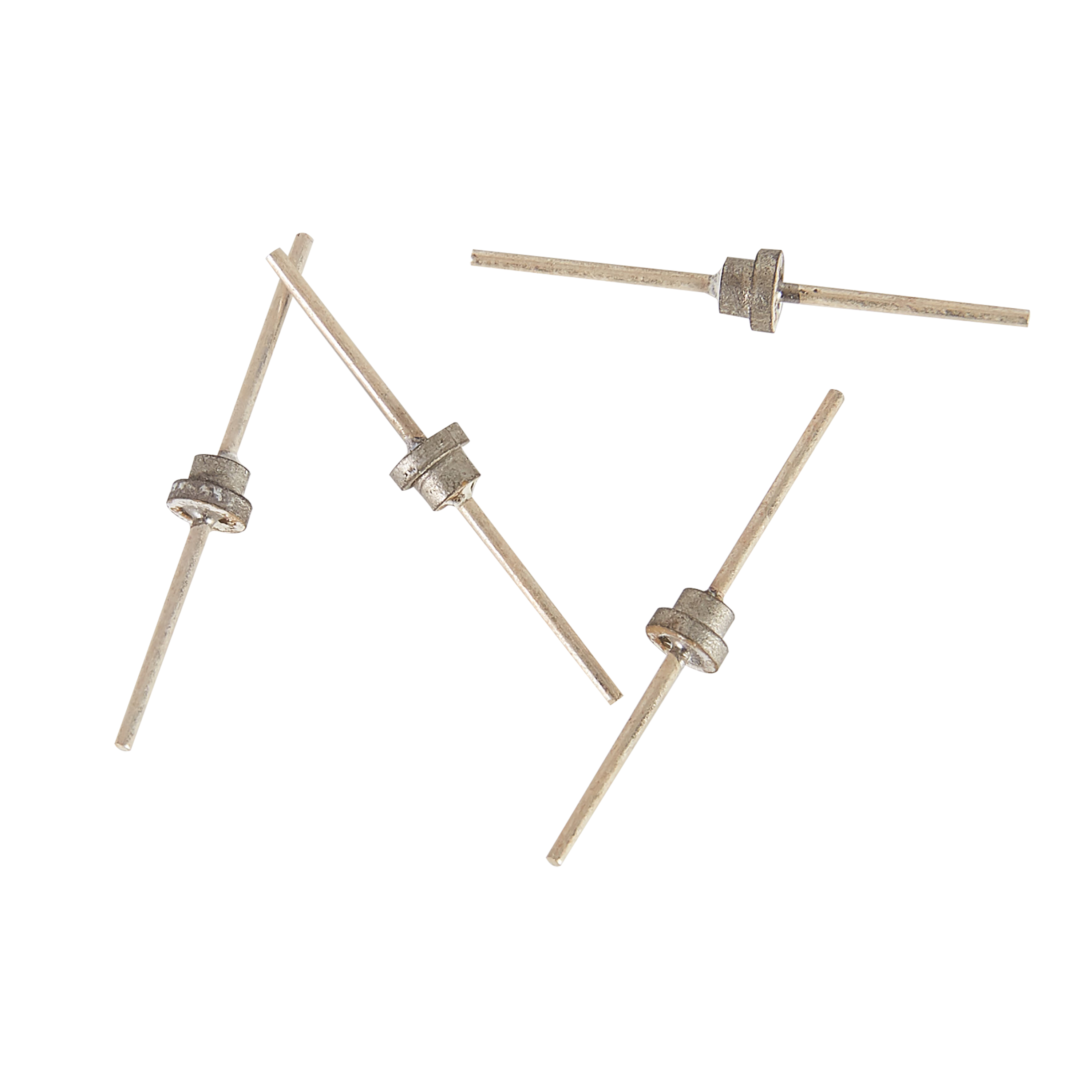 Solder Mount Feed-thru CapacitorH1915 SeriesH2222 SeriesH2416 SeriesH2519 SeriesH2520 SeriesH2618 SeriesH3630 SeriesH3822 SeriesH4033 SeriesH4224 SeriesH4330 SeriesH4532 SeriesH4722 SeriesH4737 SeriesH4743 SeriesH5038 SeriesH5122 SeriesHA4020 SeriesHB2020 SeriesT Series
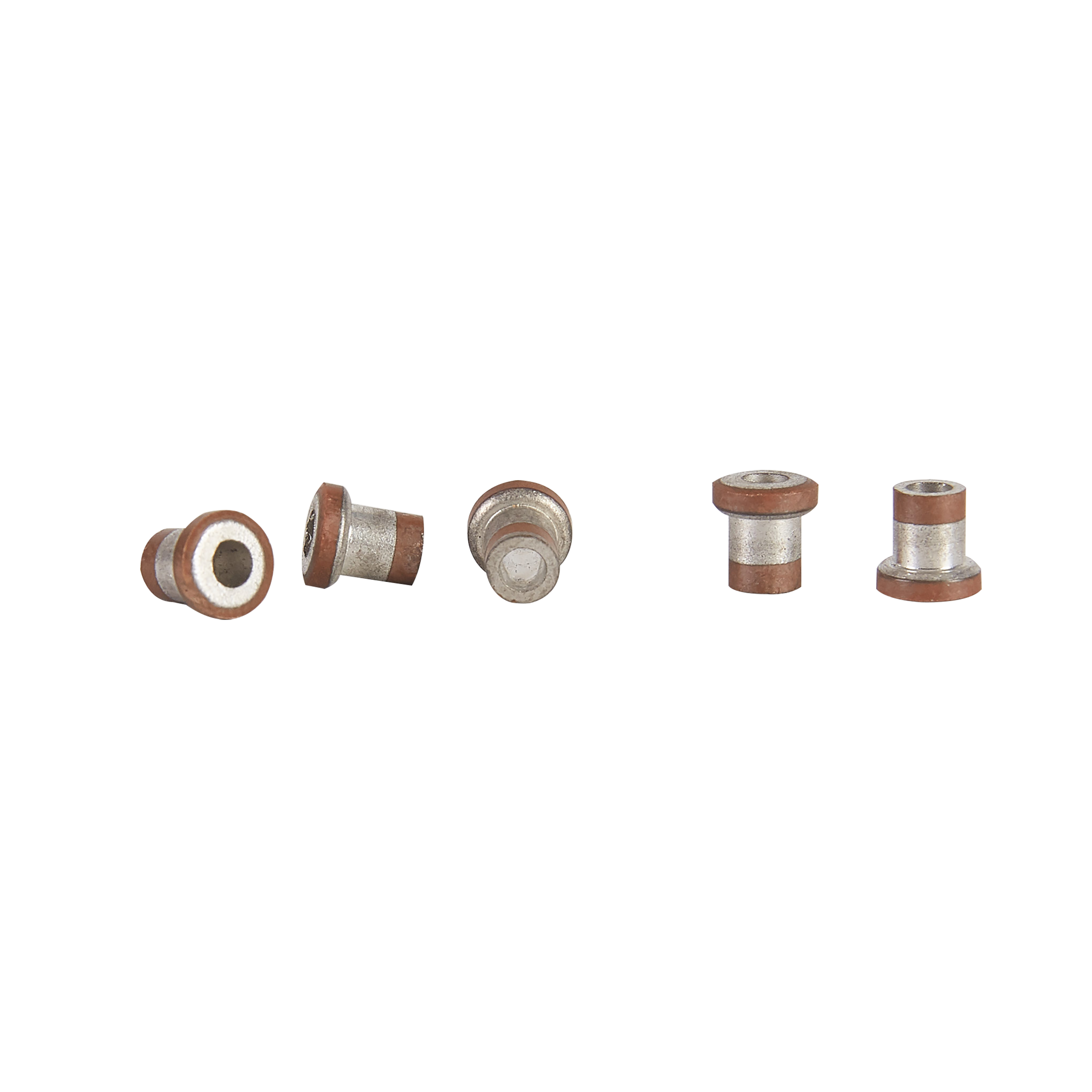 Tubular CapacitorG1915 SeriesG2020 SeriesG2222 SeriesG2416 SeriesG2520 SeriesG2618 SeriesG3822 SeriesG3838 SeriesG4224 SeriesG4330 SeriesG4532 SeriesG4722 SeriesG4737 SeriesG5038 SeriesG6045 Series
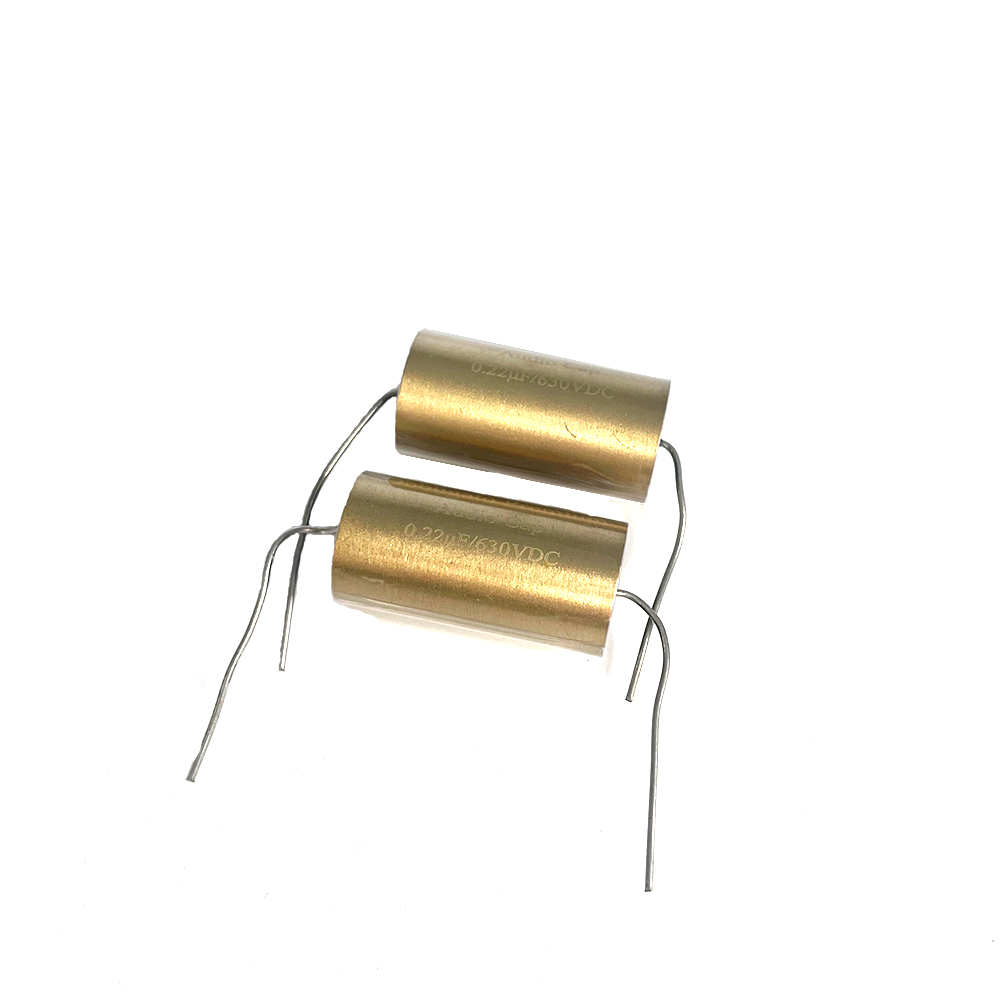 Audio Capacitor
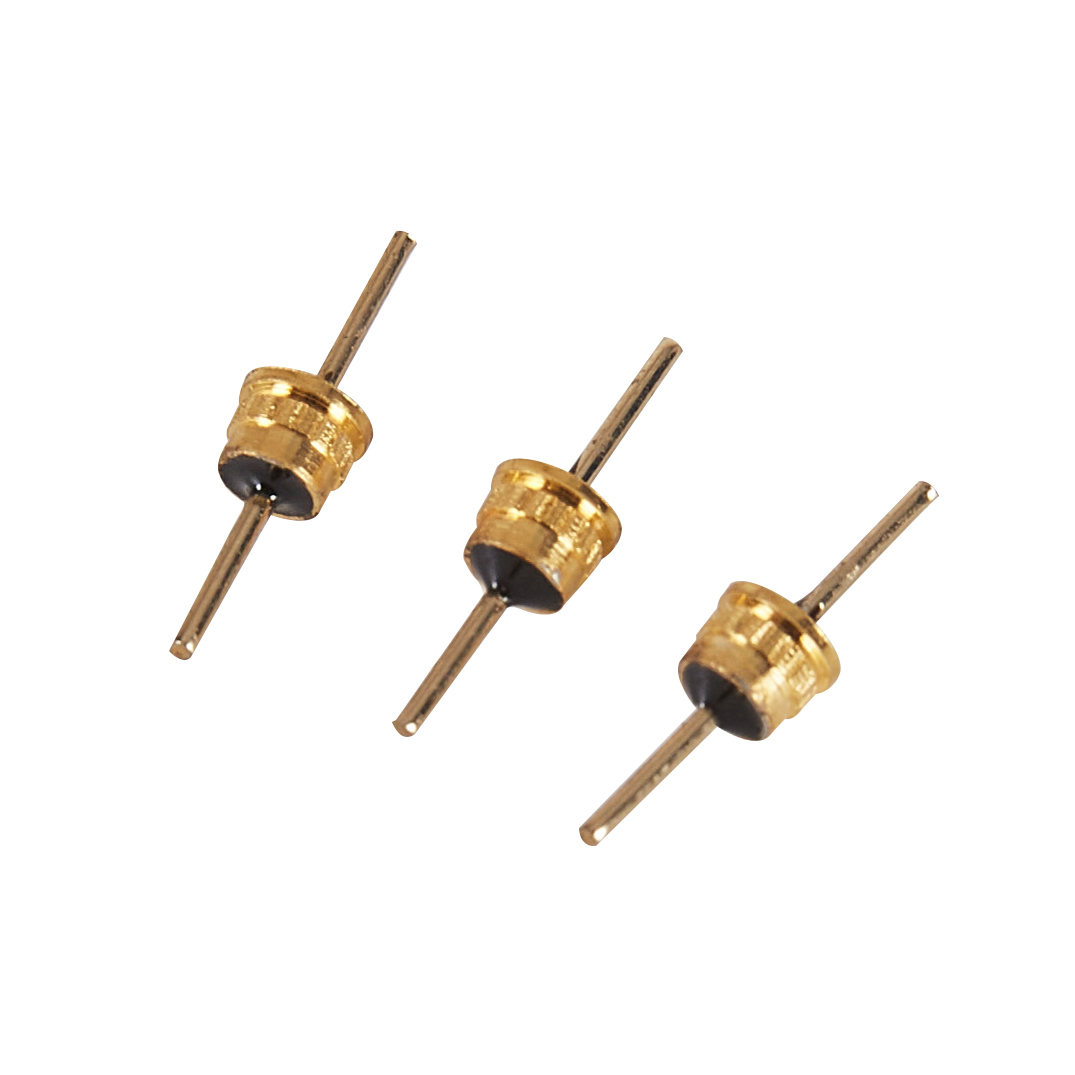 Q4033 Series
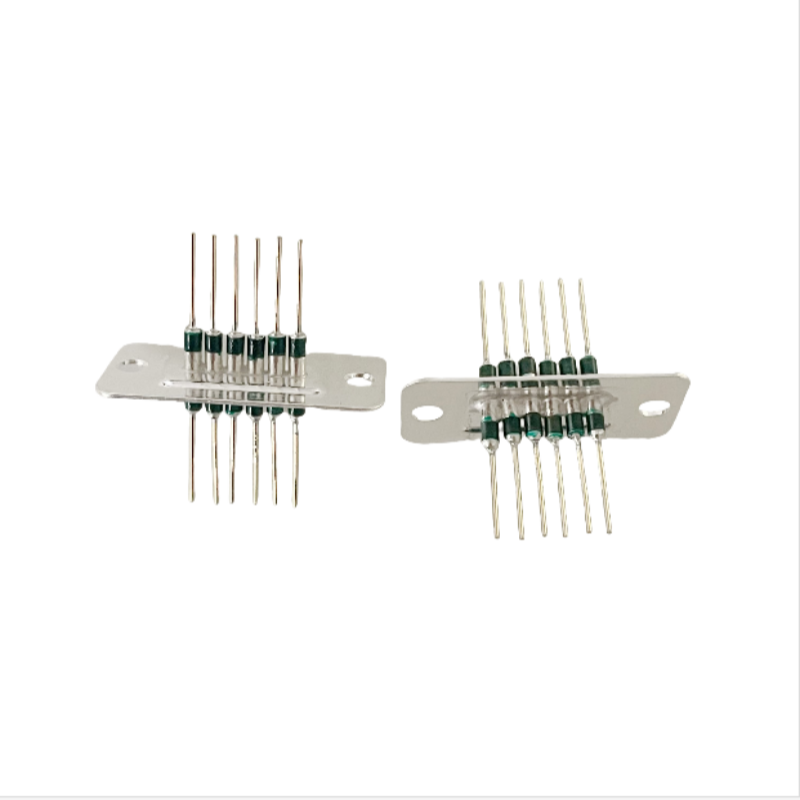 Filtered Array
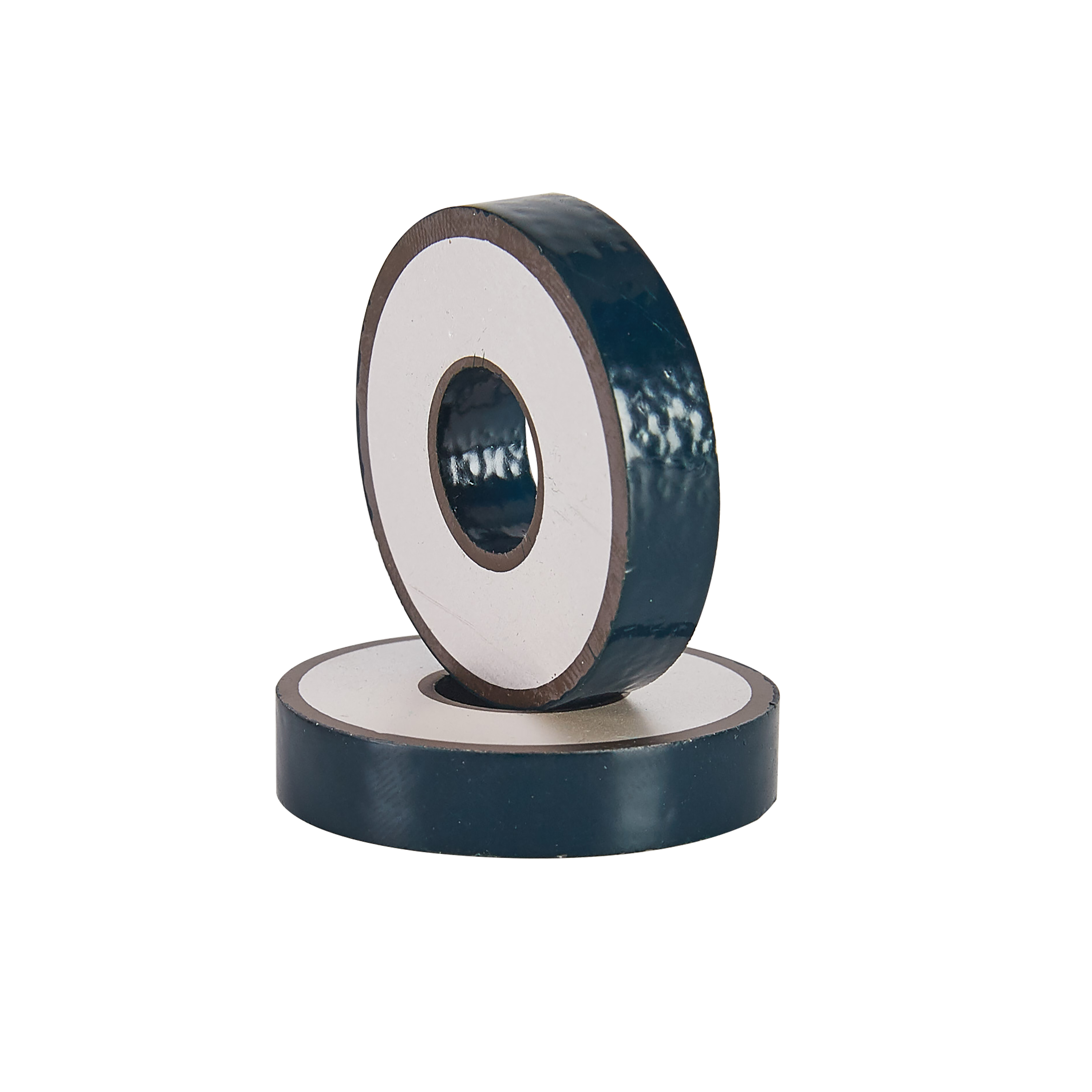 Discoidal Capacitor
 Screw Type EMI Filter
 Solder Mount Feed-thru Capacitor
 Tubular Capacitor
 Audio Capacitor
 Q4033 Series
 Filtered Array
 Discoidal Capacitor

LCA® EMI Feedthrough Capacitors — The High-Reliability Protection Core for Medical Devices140
Issuing time:2025-12-31 09:44 In hospital diagnostic and treatment settings, medical equipment such as MRI (magnetic resonance imaging), laser therapy devices, and ECG monitors serve as "core weapons" for disease diagnosis and treatment. Their operational precision and reliability are directly linked to patient safety. Such equipment must not only resist external radiation interference from sources like mobile phones and base stations but also prevent their own electromagnetic leakage from contaminating the environment. At the same time, they impose extreme requirements on components for low leakage current and long lifespan. Leveraging its core design of "high-reliability glass sealing+integrated shielding and filtering," the LCA® EMI feedthrough capacitor precisely meets the needs of medical devices, becoming a key protective component in ensuring diagnostic and treatment accuracy. I. Core Requirements in Medical Scenarios: Triple Rigid Demands for High Reliability and Low Interference The unique nature of medical devices dictates requirements for EMI feedthrough capacitors that far exceed those of ordinary scenarios, focusing primarily on two dimensions:" precision interference resistance" and "ultimate reliability": 1. Low Interference Requirements: Dual-directional Protection to Ensure Diagnostic Accuracy -External Interference Shielding: Must block radiation interference in the 100MHz~6GHz frequency range to prevent MRI imaging artifacts and waveform irregularities in ECG monitors. -Internal Interference Control: Electromagnetic leakage must comply with IEC60601 EMC standards for medical devices to avoid interfering with surrounding precision instruments. -Signal Purity Assurance: Filtering efficiency for conducted interference must exceed 99% to ensure the stability of collected bioelectrical signals and therapeutic energy output. 2. High Reliability Requirements: Safety Net to Reduce Operational Risks -Low Leakage Current Safety: Low leakage characteristics prevent electric shock risks to patients—a core bottom line in medical scenarios. -Long-Term Stability: Matches the 5-10-year lifecycle of medical devices to minimize the impact of downtime and maintenance on diagnosis and treatment. -Environment Adaptability: Withstands the wide temperature range of -40℃~+85℃ in hospital equipment rooms and resists erosion from disinfectants and moisture. II. Precision Selection Guidelines: Technical Design Tailored to Medical Scenarios To meet the rigid demands of medical devices, the selection of EMI feedthrough capacitors must precisely align with three core dimensions:" process, shielding, and parameters": 1. Sealing Process—Glass Sealing: Eliminates risks associated with epoxy sealing aging, ensuring patient and device safety. 2. Shielding Performance—Metal Shielding Shell: Effectively blocks high-frequency radiation interference, prevents signal distortion, and enhances diagnostic accuracy. 3. Environmental Adaptability—Wide Temperature Range (-40℃~85℃): Suited for the controlled environments of hospital equipment rooms and disinfection/cleaning scenarios, preventing moisture ingress. III. Summary: The "Guardian of Safety and Precision" for Medical Devices The core value of EMI feedthrough capacitors in medical scenarios lies in their design of "high-reliability glass sealing+integrated shielding and filtering," which perfectly aligns with the medical devices' primary demands of "safety first and precision paramount." This approach not only ensures a safety baseline through low leakage current and long lifespan but also guarantees diagnostic and therapeutic accuracy with high-efficiency interference resistance, while meeting medical compliance and environmental requirements. As precision medical continues to advance, LCA® EMI feedthrough capacitors will evolve toward "lower leakage current, higher shielding efficiency, and smaller size," consistently safeguarding the stable operation of medical devices and serving as an "invisible defense line" protecting patient health and well-being. |
