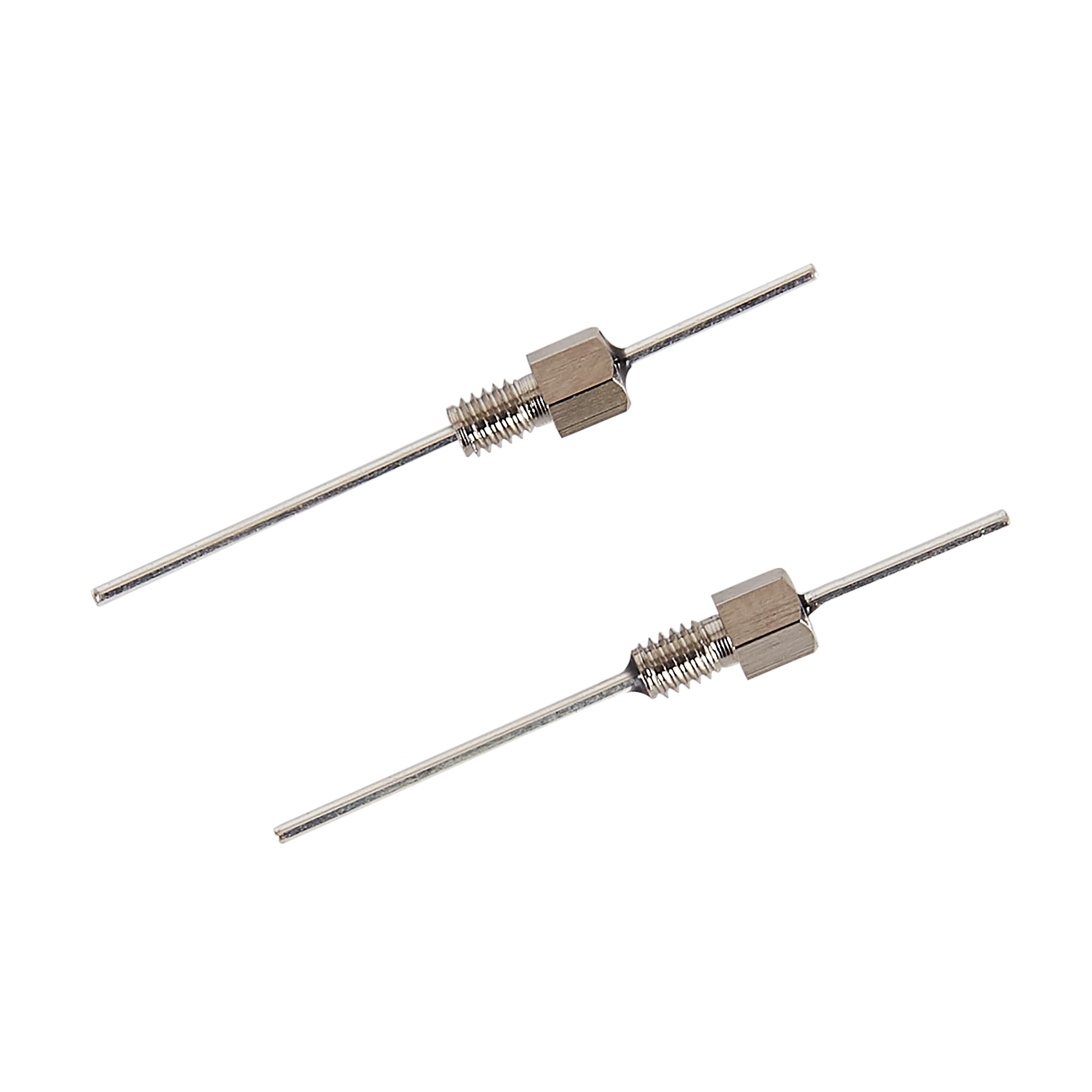
 Screw Type EMI FilterL3325 SeriesL4030 SeriesL5040 SeriesL5060 SeriesL6040 SeriesL6050 SeriesL8050 SeriesL8060 SeriesL9860 SeriesL10080 SeriesL1/4-28UNF-2A SeriesL4-40UNC-2A SeriesL5/16-24UNF-2A SeriesL5/16-32UNEF-2A SeriesL6-32UNC-2A SeriesL8-32UNC-2A SeriesL8-36UNF-2A SeriesL12-28UNF-2A SeriesL12-32UNEF-2A SeriesL140120 Series
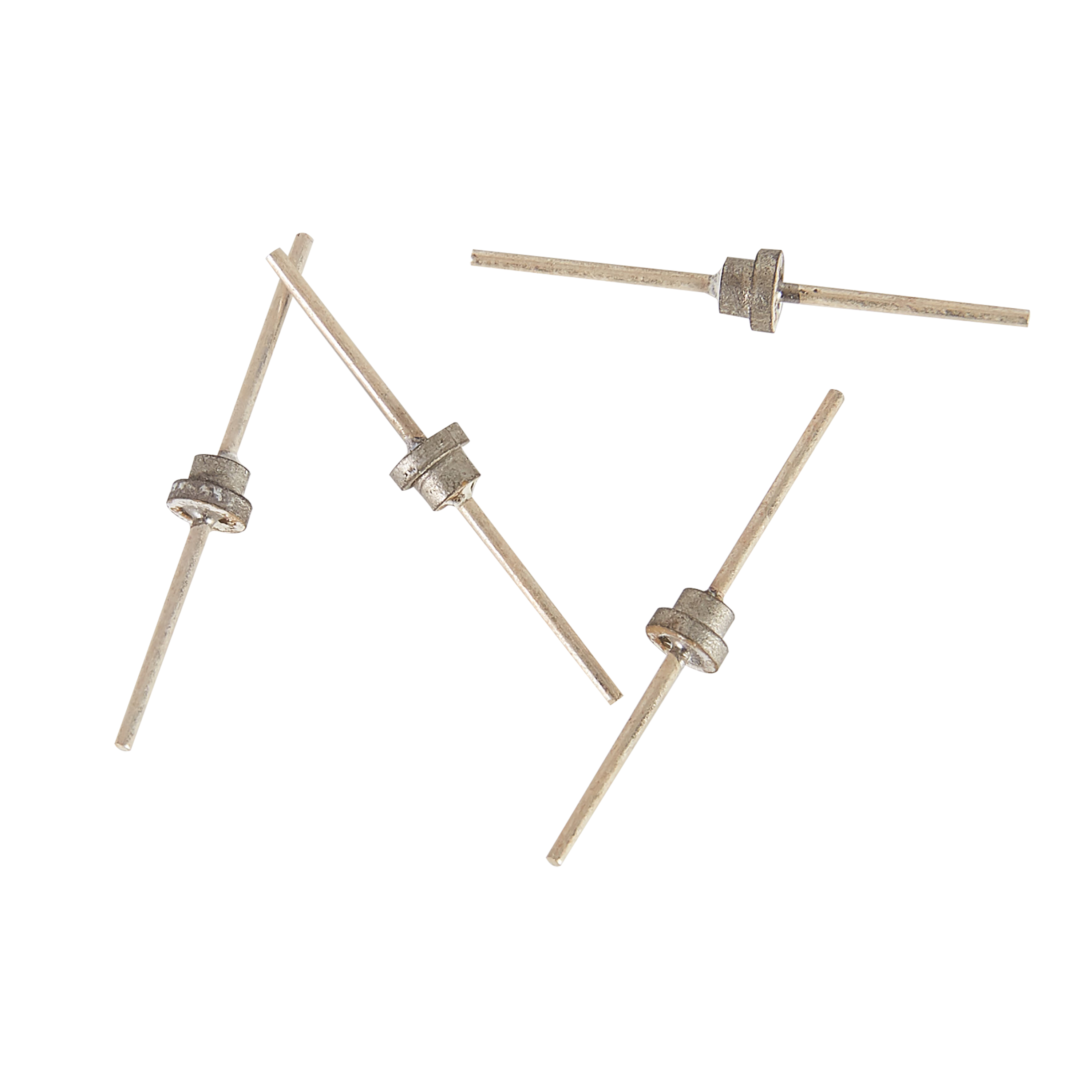 Solder Mount Feed-thru CapacitorH1915 SeriesH2222 SeriesH2416 SeriesH2519 SeriesH2520 SeriesH2618 SeriesH3630 SeriesH3822 SeriesH4033 SeriesH4224 SeriesH4330 SeriesH4532 SeriesH4722 SeriesH4737 SeriesH4743 SeriesH5038 SeriesH5122 SeriesHA4020 SeriesHB2020 SeriesT Series
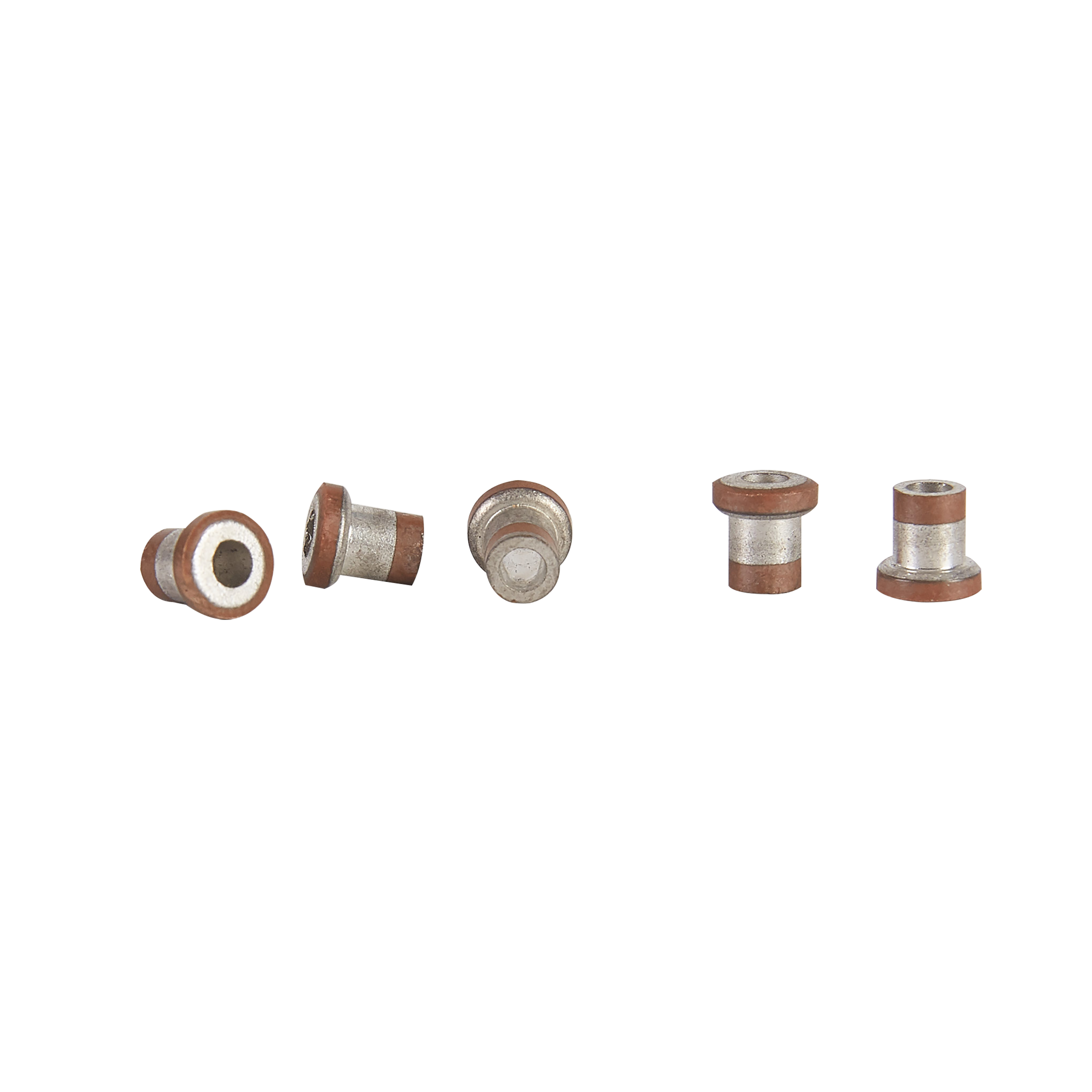 Tubular CapacitorG1915 SeriesG2020 SeriesG2222 SeriesG2416 SeriesG2520 SeriesG2618 SeriesG3822 SeriesG3838 SeriesG4224 SeriesG4330 SeriesG4532 SeriesG4722 SeriesG4737 SeriesG5038 SeriesG6045 Series
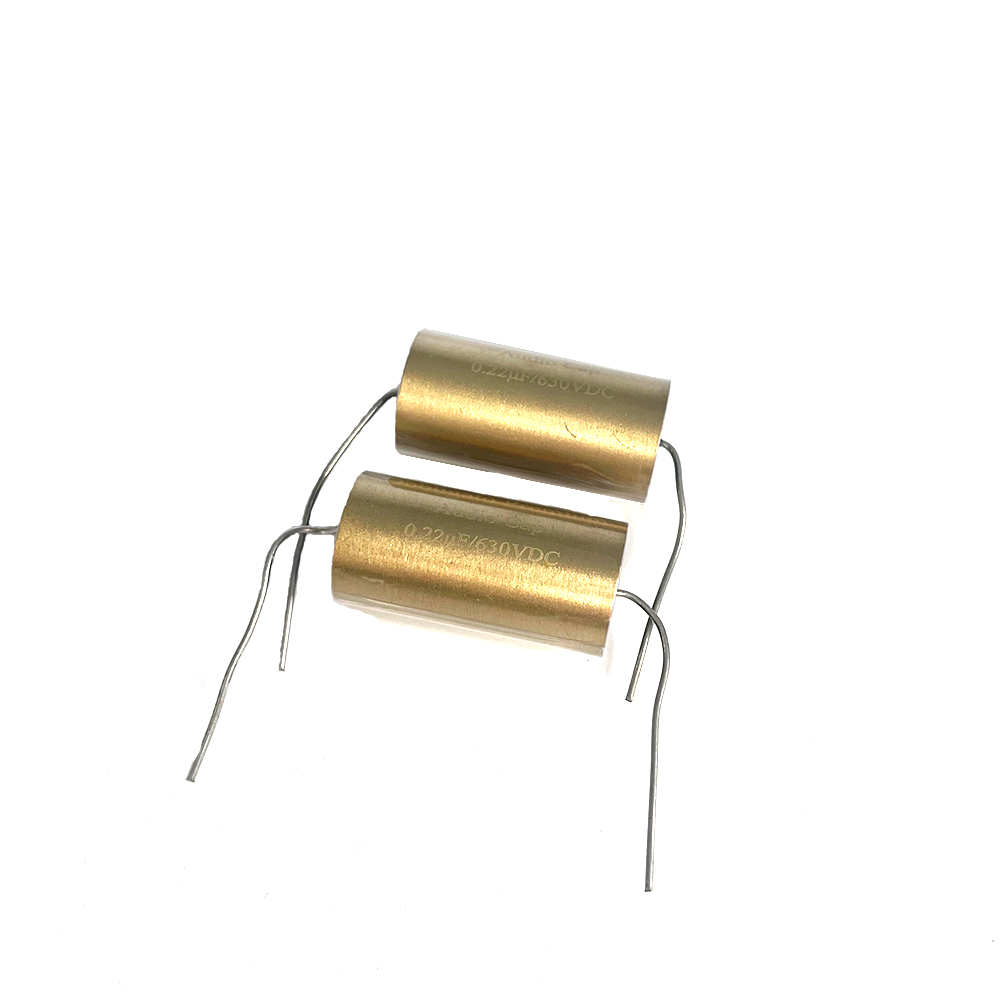 Audio Capacitor
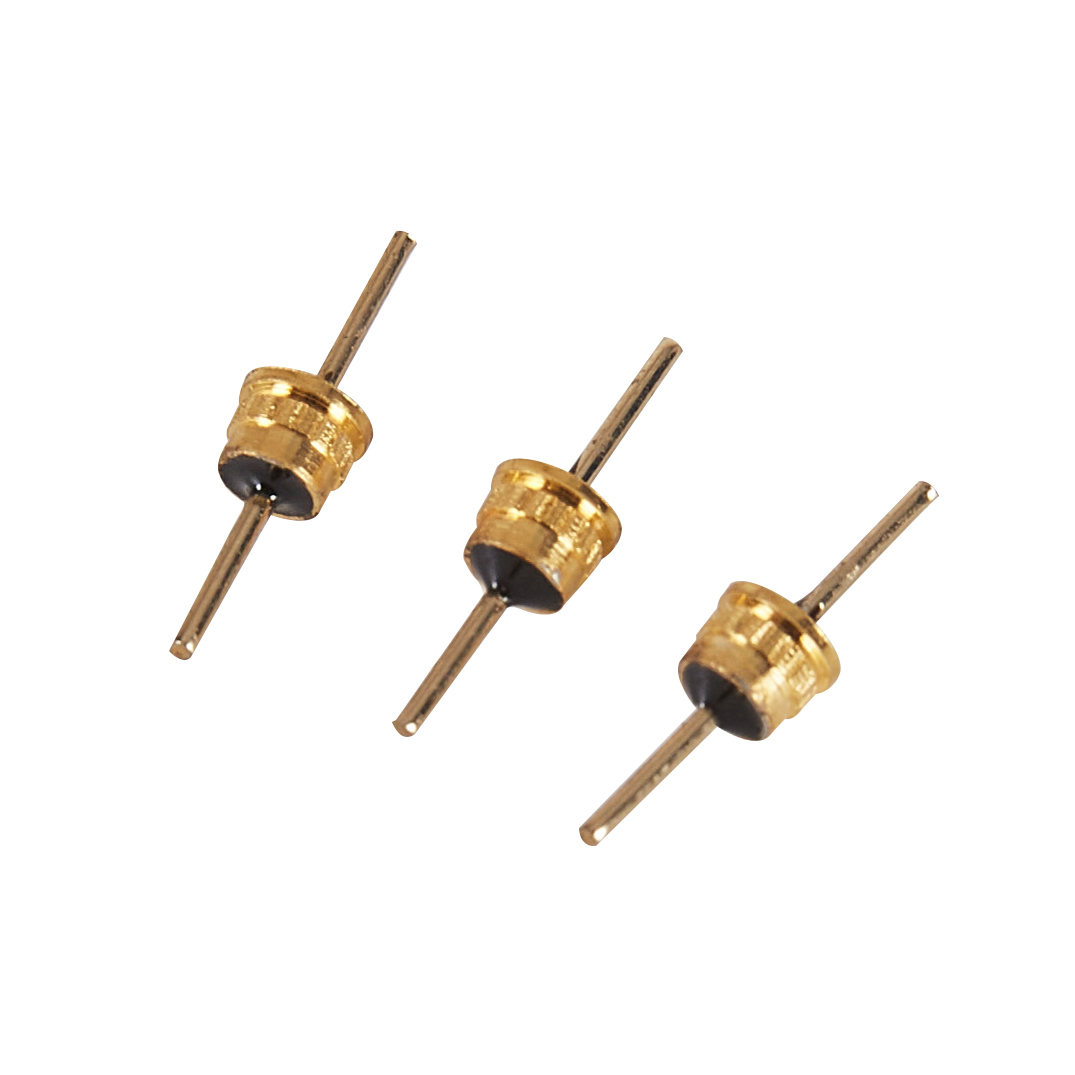 Q4033 Series
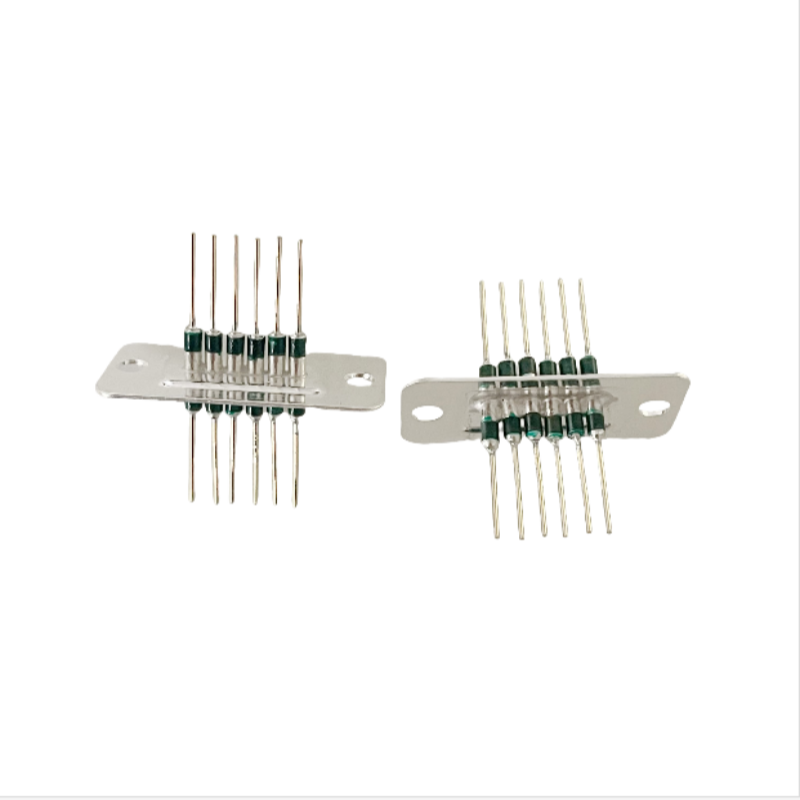 Filtered Array
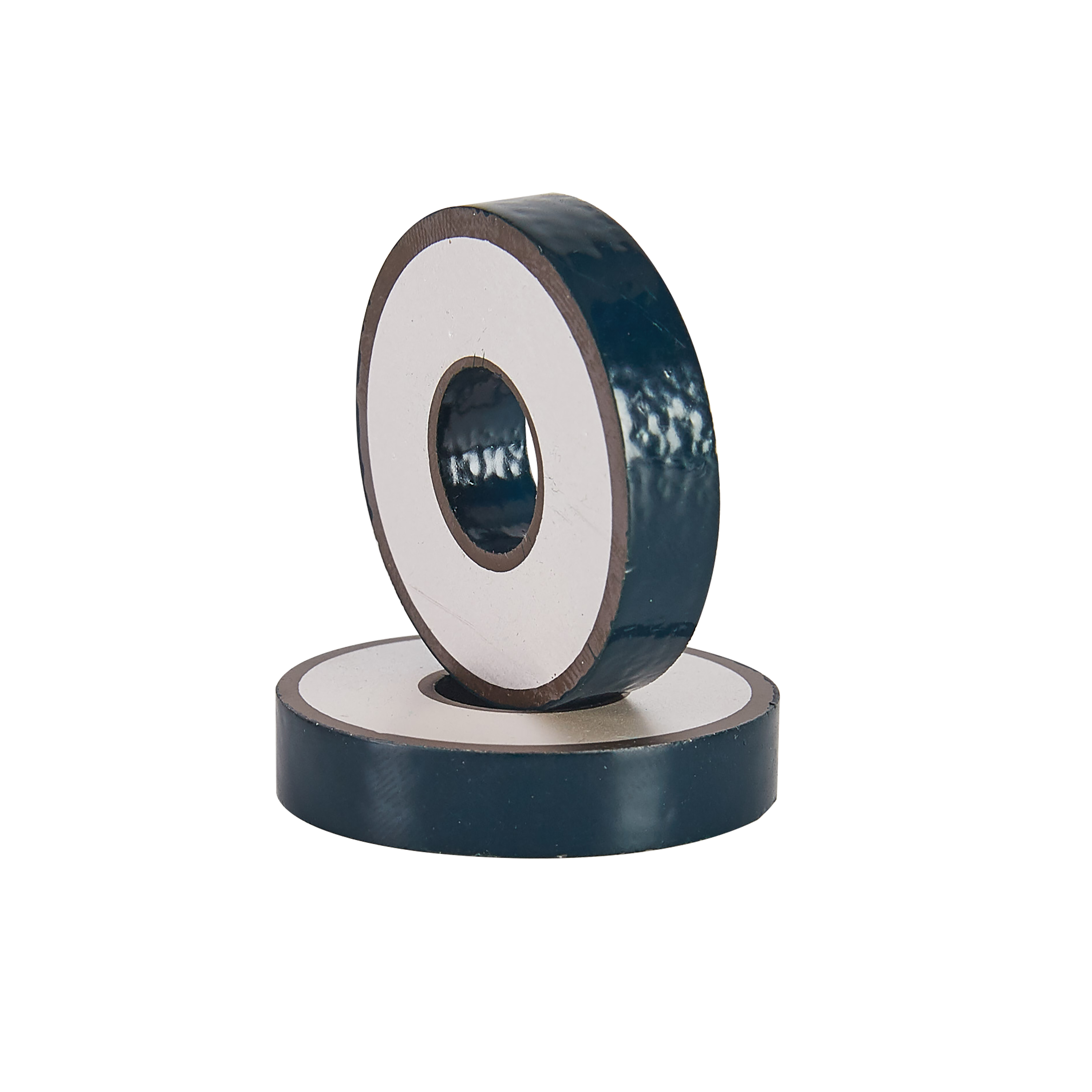 Discoidal Capacitor
 Screw Type EMI Filter
 Solder Mount Feed-thru Capacitor
 Tubular Capacitor
 Audio Capacitor
 Q4033 Series
 Filtered Array
 Discoidal Capacitor

Radiated Noise and Conducted Noise130
Issuing time:2025-12-22 10:14 In the field of Electromagnetic Interference (EMI), Radiated Noise and Conducted Noise are the two primary forms of electromagnetic noise propagation. They infiltrate electronic devices through different paths, causing effects that range from performance degradation to permanent damage of components. I. Core Definitions: The Nature and Difference Between the Two Noises 1. Radiated Noise Common Analogy: Like a "radio broadcast"—transmitting "electromagnetic signal static" in all directions. Essential Definition: An electromagnetic interference signal that propagates through space in the form of electromagnetic waves. Propagation Path: Air/Space (requires no physical medium). Typical Sources: 5G base stations, millimeter-wave radar, Wi-Fi routers, microwave ovens, RF antennas. 2. Conducted Noise Common Analogy: Like "impurities in a water pipe"—flowing along conductors to reach components. Essential Definition: An electromagnetic interference signal that propagates along wires/conductors. Propagation Path: Physical carriers like power lines, signal lines, control lines. Typical Sources: Industrial Variable frequency drives, power grid fluctuations, motor startup, power adapters. II. Specific Impacts on Electronic Components: From Functional Anomalies to Permanent Damage The core function of electronic components is the "stable transmission/processing of electrical signals." Interference from both types of noise essentially involves "superimposing unwanted signals" or "disrupting the operating environment," but their path and primary targets differ. 1. Conducted Noise: Strikes Directly at the Core via Wires, Affecting Mid-to-Low Frequency Components First Conducted noise directly invades component internals through power or signal lines, interfering with power supply or signal paths. This creates a more immediated impact and is more likely to cause functional failures. 2. Radiated Noise: "Air-Gap" Interference Through Space, Most Affecting High-frequency/Sensitive Components Radiated noise couples onto component pins, PBC traces, or casings via electromagnetic waves, inducing unwanted voltages/currents. It is particularly destructive to high-frequency and high-sensitive components. III. Core Summary: The Nature of Interference and Protection Logic sensitively components. 1. Nature of Interference Conducted Noise: "Wired intrusion," primarily affects mid-to-low frequencies, impacts power supply and signal transmission paths, and easily leads to functional failures and accelerated aging of components. Radiated Noise: "Wireless coupling," primarily affects high frequencies, impacts signal purity and the performance of sensitive components, and easily leads to precision loss and high-frequency failure. 2. Core of Protection Conducted Noise: Requires "shunting to ground" (using components like EMI feedthrough capacitors, common-mode chokes) to divert the noise from the conductor and cut off its propagation path. Radiated Noise: Requires "Shielding+Filtering" (using element like the metal shield of a feedthrough capacitor, PCB ground planes, shielding enclosures) to block spatial coupling and prevent noise induction. Conclusion: Scenarios involving mid-to-low frequencies and power systems (e.g., industrial VFDs, power adapters) require a primary focus on suppressing Conducted Noise. High-frequency, sensitive scenarios (e.g., 5G, millimeter-wave radar, medical equipment) require simulataneous reinforcement against both Radiated Conducted Noise. This is the core value of the LCA® EMI feedthrough capacitor's "lead-less low-inductance+metal shielding" design—it provides a one-stop solution to both types of noise interference. ensuring the stable operation of components. |
