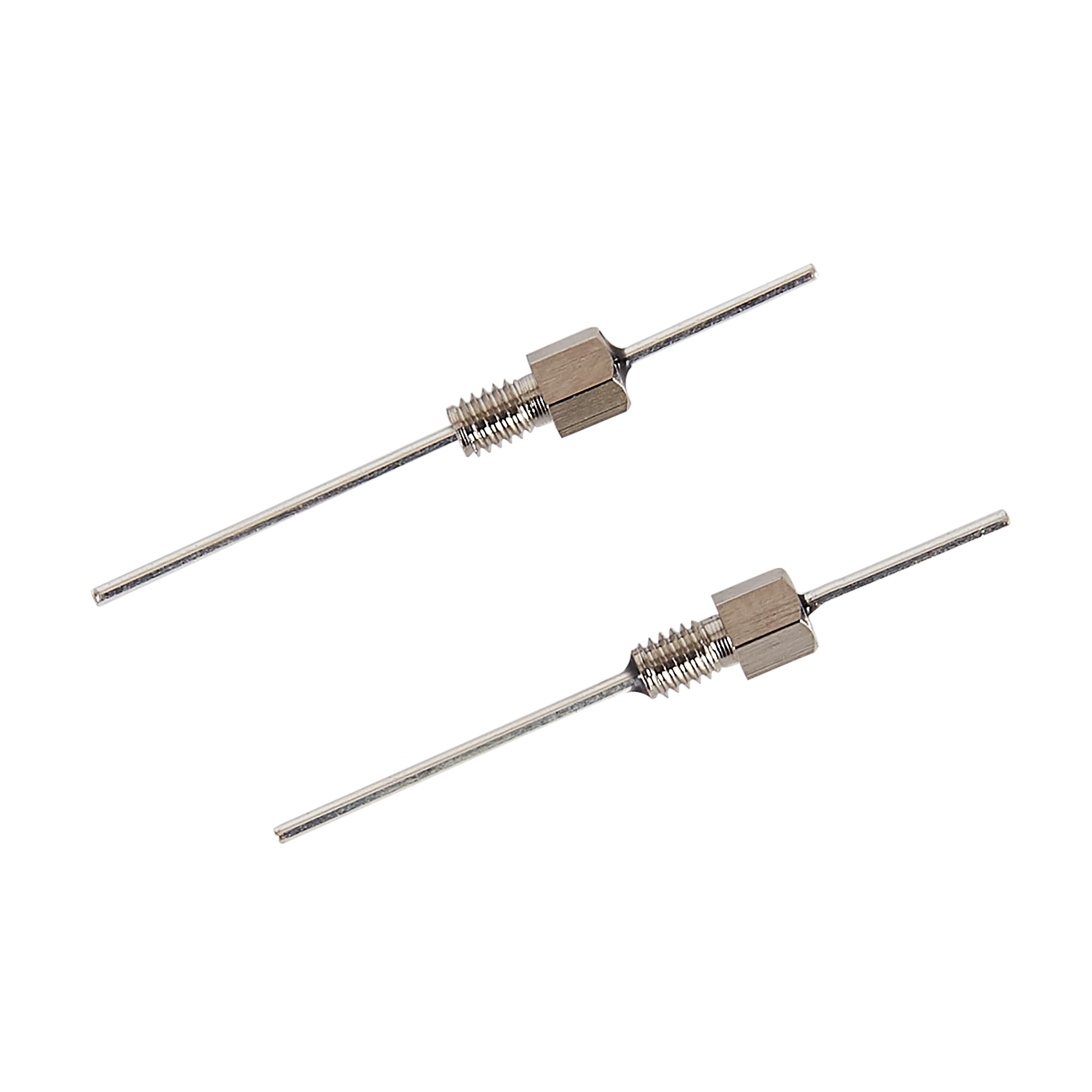
 Screw Type EMI FilterL3325 SeriesL4030 SeriesL5040 SeriesL5060 SeriesL6040 SeriesL6050 SeriesL8050 SeriesL8060 SeriesL9860 SeriesL10080 SeriesL1/4-28UNF-2A SeriesL4-40UNC-2A SeriesL5/16-24UNF-2A SeriesL5/16-32UNEF-2A SeriesL6-32UNC-2A SeriesL8-32UNC-2A SeriesL8-36UNF-2A SeriesL12-28UNF-2A SeriesL12-32UNEF-2A SeriesL140120 Series
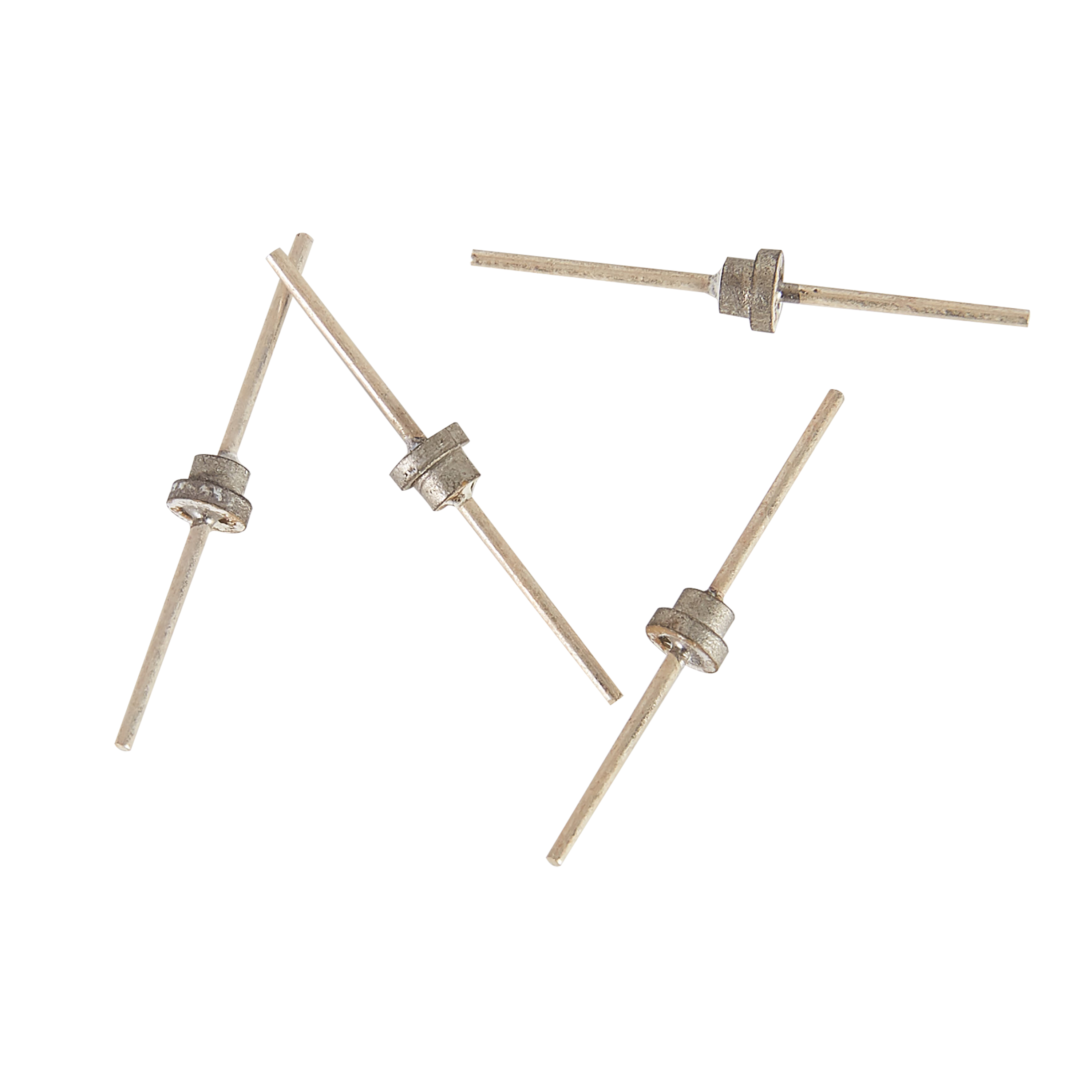 Solder Mount Feed-thru CapacitorH1915 SeriesH2222 SeriesH2416 SeriesH2519 SeriesH2520 SeriesH2618 SeriesH3630 SeriesH3822 SeriesH4033 SeriesH4224 SeriesH4330 SeriesH4532 SeriesH4722 SeriesH4737 SeriesH4743 SeriesH5038 SeriesH5122 SeriesHA4020 SeriesHB2020 SeriesT Series
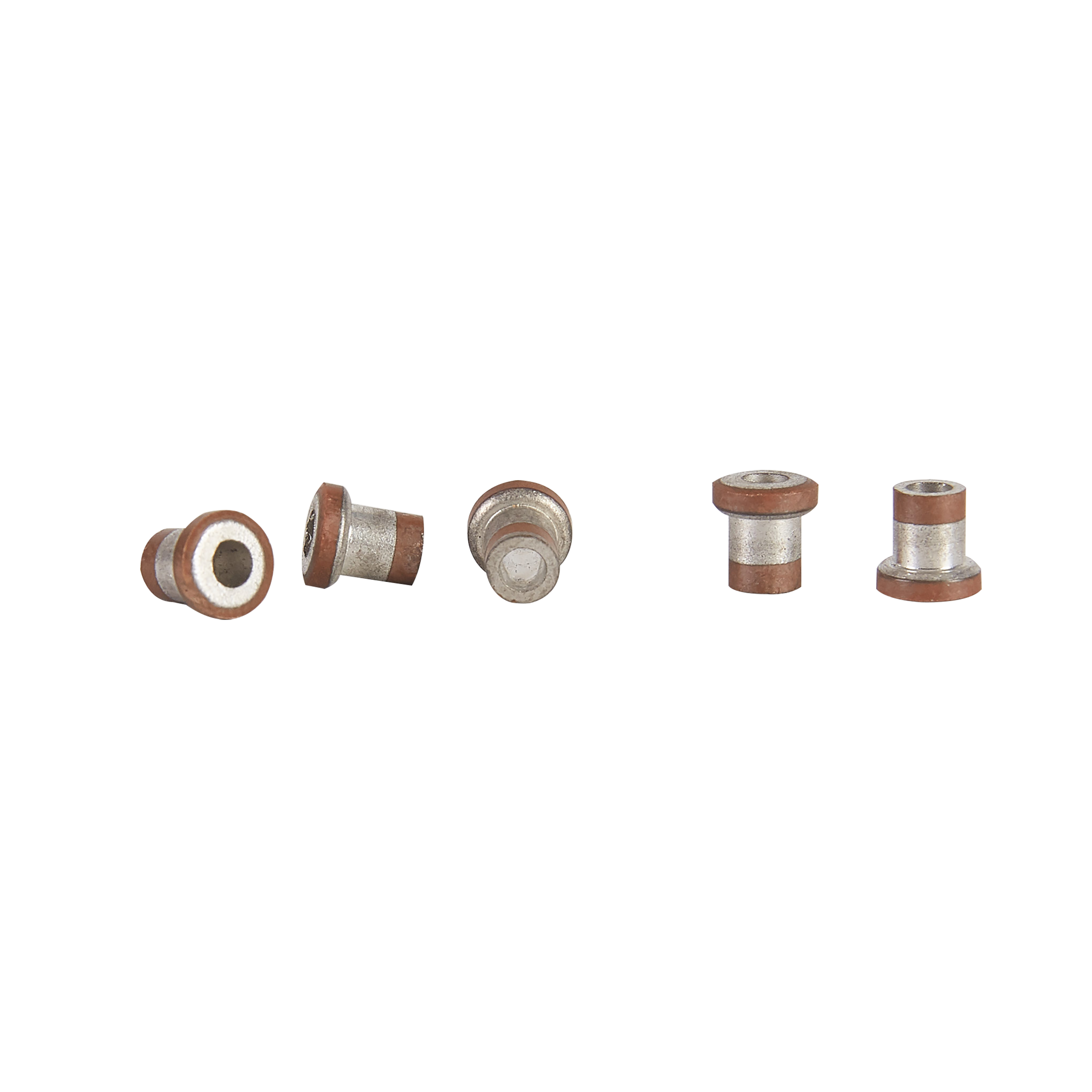 Tubular CapacitorG1915 SeriesG2020 SeriesG2222 SeriesG2416 SeriesG2520 SeriesG2618 SeriesG3822 SeriesG3838 SeriesG4224 SeriesG4330 SeriesG4532 SeriesG4722 SeriesG4737 SeriesG5038 SeriesG6045 Series
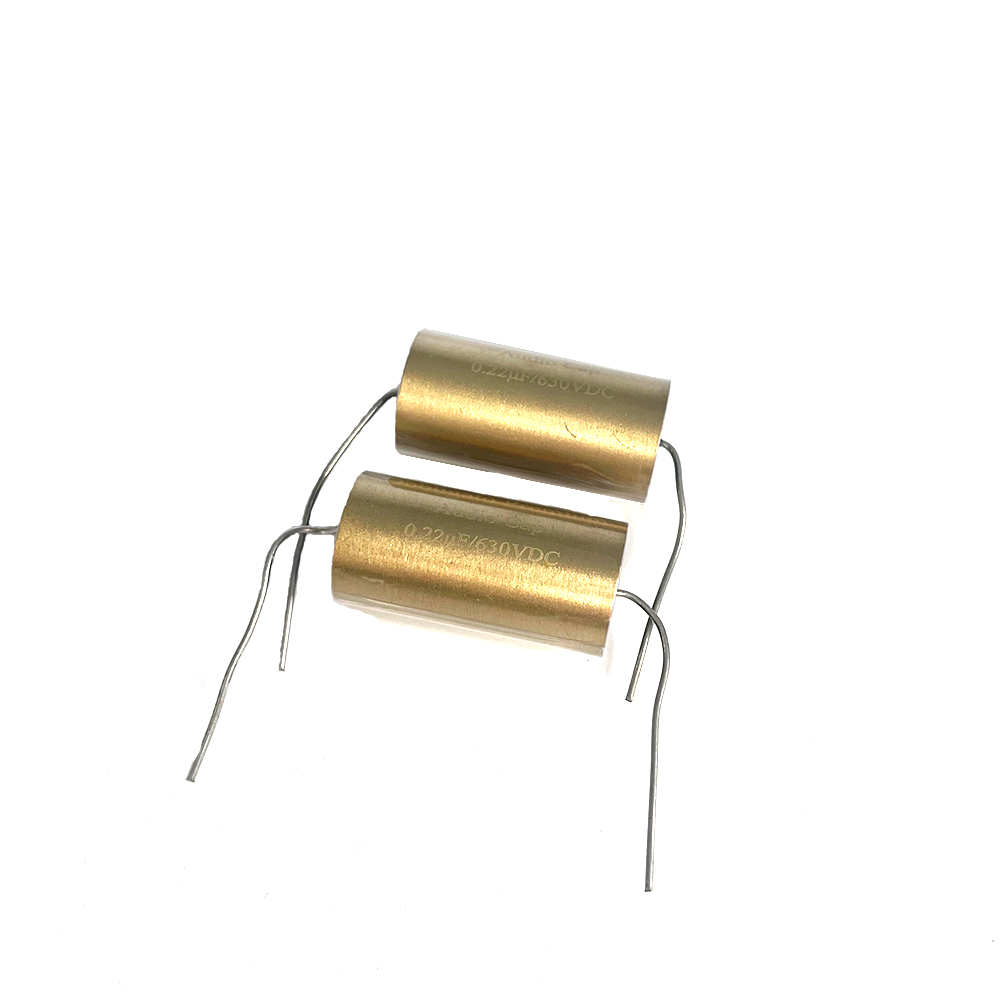 Audio Capacitor
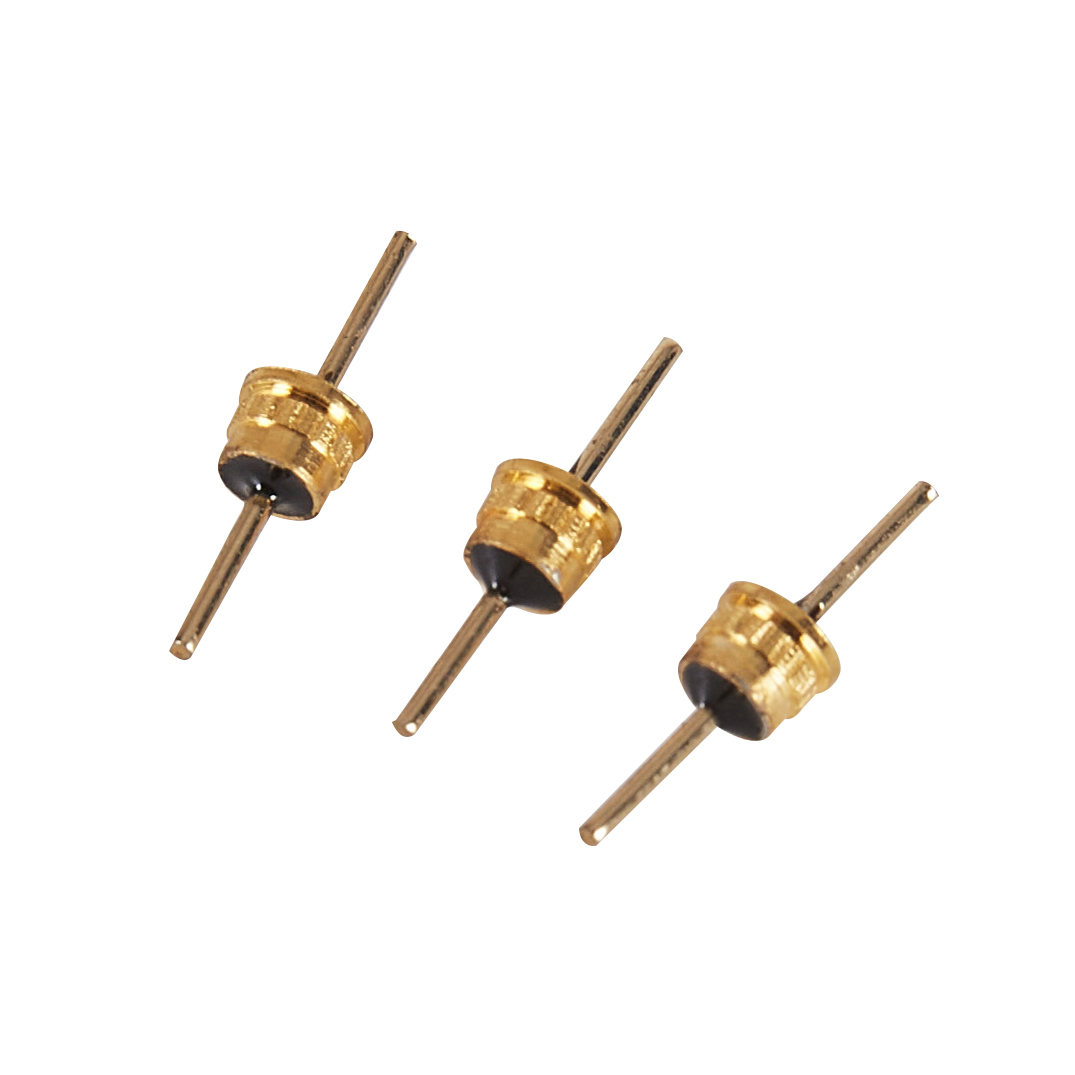 Q4033 Series
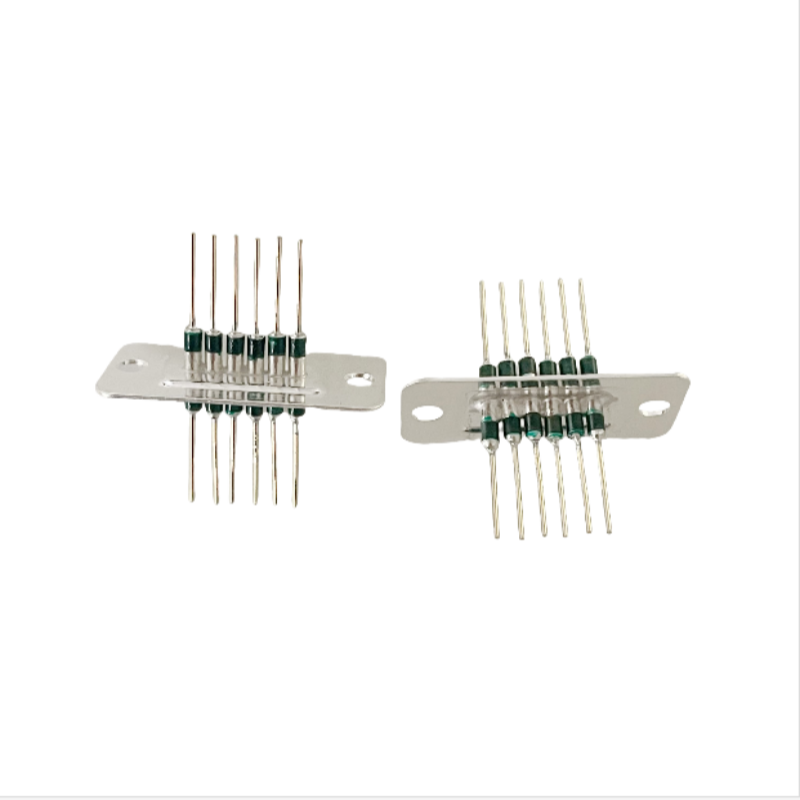 Filtered Array
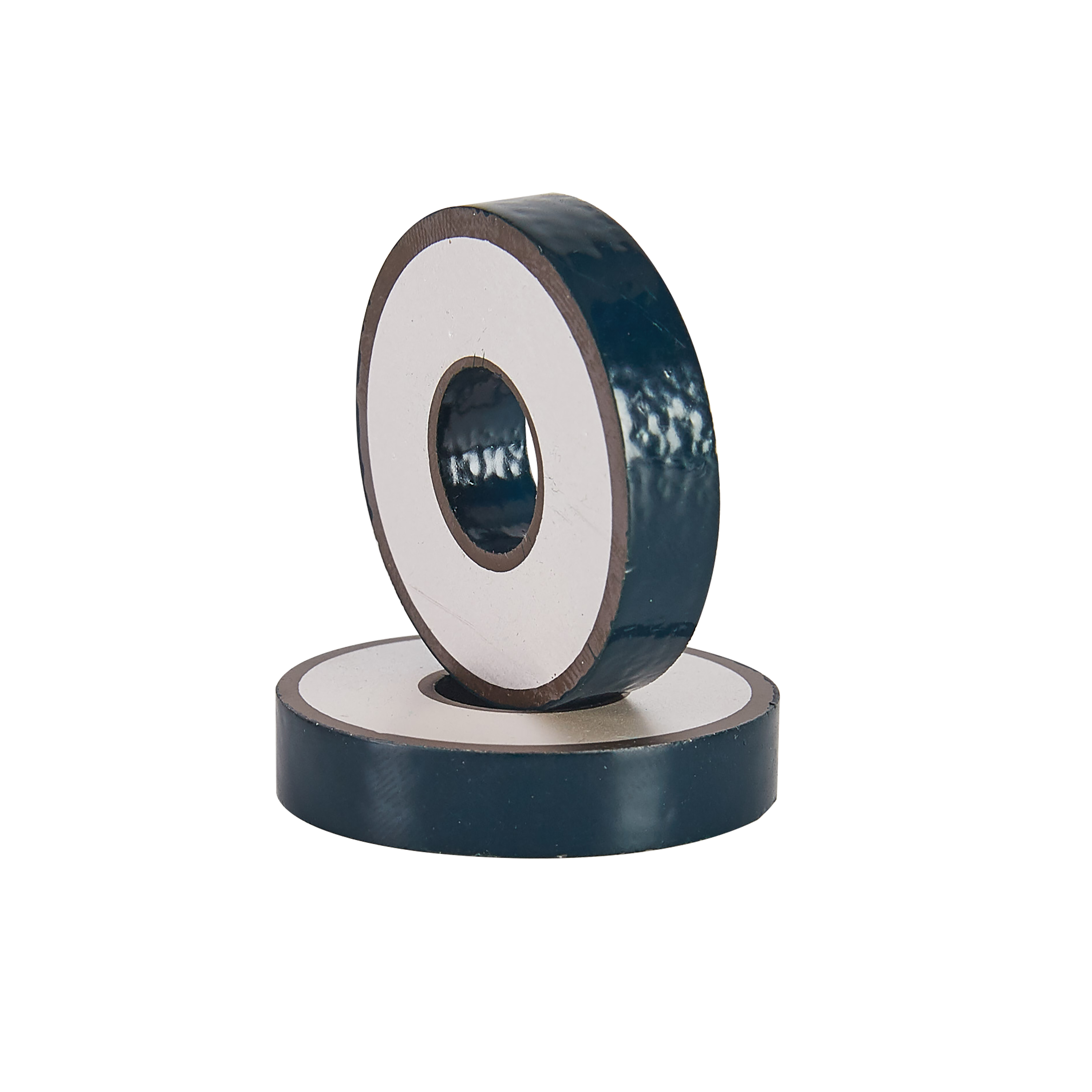 Discoidal Capacitor
 Screw Type EMI Filter
 Solder Mount Feed-thru Capacitor
 Tubular Capacitor
 Audio Capacitor
 Q4033 Series
 Filtered Array
 Discoidal Capacitor

A High-Frequency Breakthrough: Two Key Innovations in EMI Feedthrough Capacitor Design170
Issuing time:2025-12-08 09:15 In today's landscape where high-frequency devices like 5G and millimeter-wave radar are proliferating, traditional capacitors often fall into the dilemma of "the higher the frequency, the worse the performance." In contrast, the EMI feedthrough capacitor filter emerges as the "Electromagnetic Guardian" in high-frequency scenarios, thanks to its two core, revolutionary design innovations. Unlike the leaded structure of ordinary Multilayer Ceramic Chip Capacitors (MLCCs), the feedthrough capacitor adopts a bespoke, integrated coaxial design. At its center is the core conductor carrying signals and current, tightly enveloped by an insulating dielectric layer, and finally surrounded by a 360-degree metal grounding shell. This structure effectively creates an independent coaxial transmission line: the center conductor transmits useful signals, while the metal shell connects directly to ground, forming a closed loop. Traditional capacitors suffer from parasitic inductance generated by their leads and solder pads at high frequencies—akin to "invisible stumbling blocks" in the circuit. The feedthrough capacitor, however, features seamless integration between its shell and grounding terminal, reducing parasitic inductance to less than 10% of that of traditional capacitors, fundamentally preventing the performance "betrayal" where capacitors behave like inductors at high frequencies. Beyond structural advantages, the choice of dielectric material further enhances its capabilities. Most feedthrough capacitors utilize high-performance ceramic dielectrics, with some premium models incorporating multi-layer composite dielectric technology. This composite dielectric not only improves voltage resistance and stability but also allows flexible adaptation to different high-frequency bands through formula adjustments, For instance, to meet the ultra-high-frequency demands of military radar, the dielectric formula can be optimized for frequencies above 10GHz, while for industrial automation equipment, the focus is on balancing mid-to-high-frequency filtering with cost, achieving comprehensive filtering coverage from DC to several GHz. Another noteworthy aspect is the ingenious "filtering-shielding-integration" design. The metal shell serves both as a grounding electrode and a natural Faraday cage. When high-frequency electromagnetic noise attempts to propagate along the conductor, the shell first intercepts radiated noise and then rapidly channels conducted noise to the ground via a low-impedance path. This dual protection strategy of "intercept first, divert next" enables the feedthrough capacitor to maintain stable filtering performance even at frequencies above 1 GHz, with insertion loss far surpassing that of ordinary filtering solutions. For electronic equipment pursuing ultimate performance, the design of the EMI feedthrough capacitor is not merely a component improvement but a fundamental re-engineering based on the principles of electromagnetic propagation. Choosing it equips high-frequency devices with an ever-reliable electromagnetic shield. |
