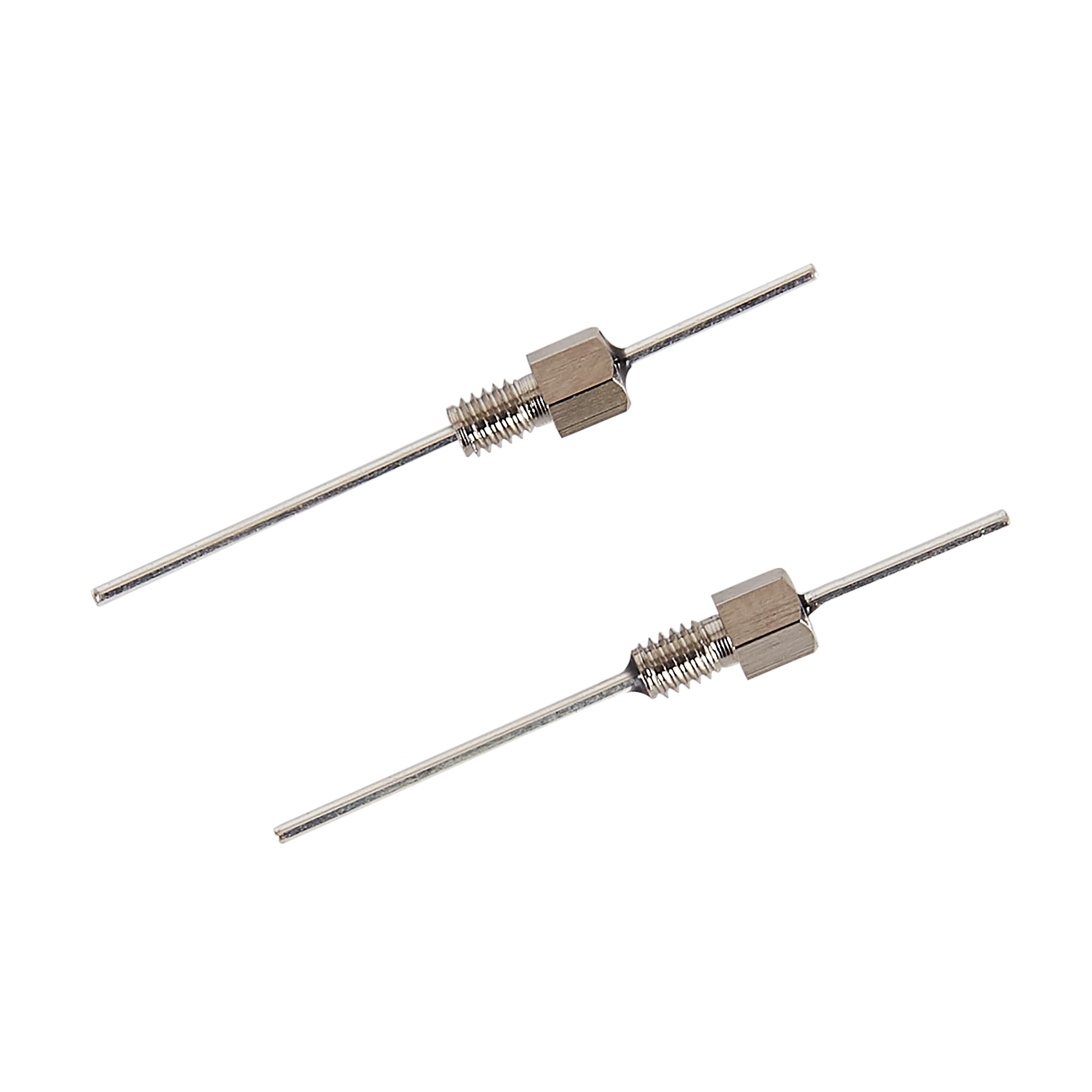
 Screw Type EMI FilterL3325 SeriesL4030 SeriesL5040 SeriesL5060 SeriesL6040 SeriesL6050 SeriesL8050 SeriesL8060 SeriesL9860 SeriesL10080 SeriesL1/4-28UNF-2A SeriesL4-40UNC-2A SeriesL5/16-24UNF-2A SeriesL5/16-32UNEF-2A SeriesL6-32UNC-2A SeriesL8-32UNC-2A SeriesL8-36UNF-2A SeriesL12-28UNF-2A SeriesL12-32UNEF-2A SeriesL140120 Series
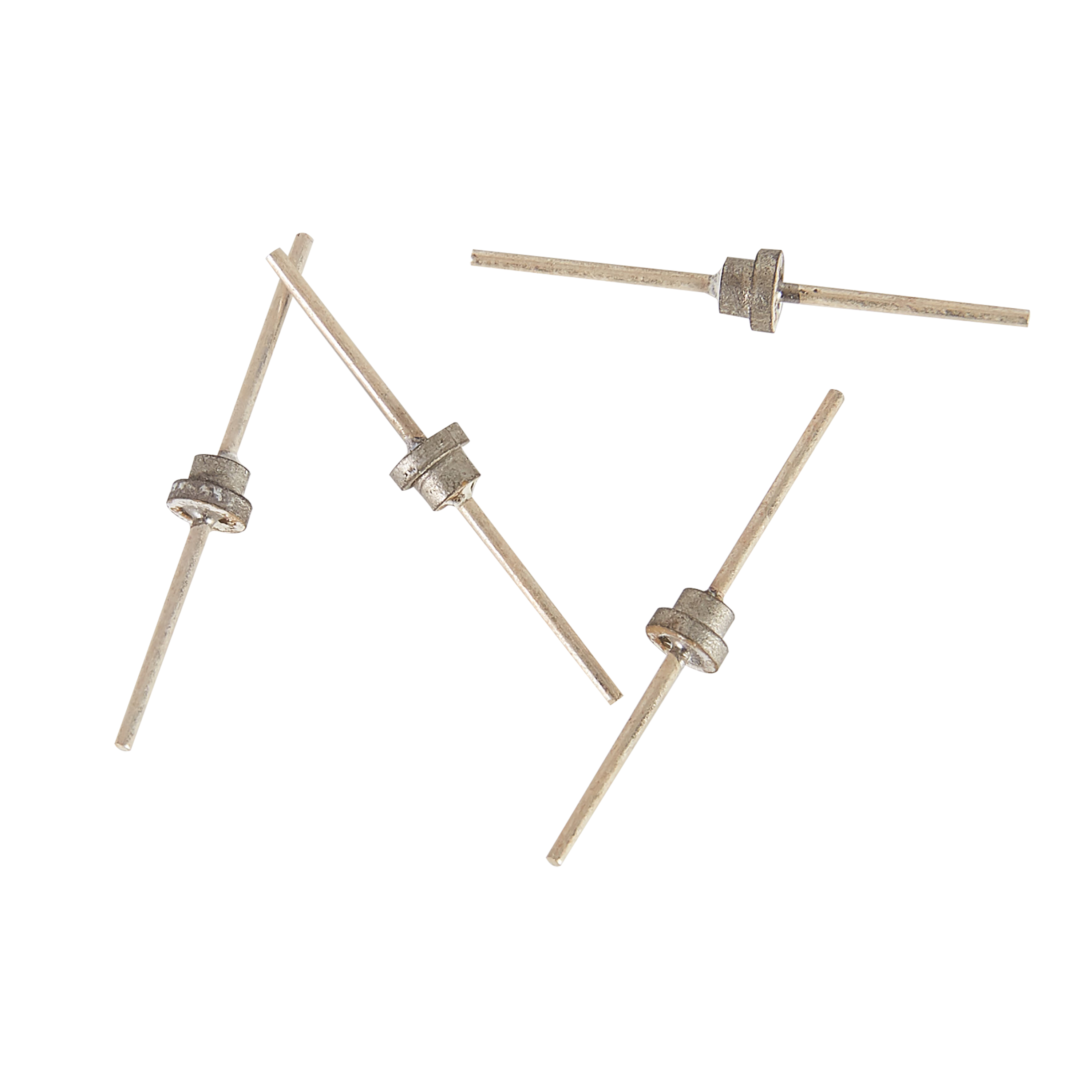 Solder Mount Feed-thru CapacitorH1915 SeriesH2222 SeriesH2416 SeriesH2519 SeriesH2520 SeriesH2618 SeriesH3630 SeriesH3822 SeriesH4033 SeriesH4224 SeriesH4330 SeriesH4532 SeriesH4722 SeriesH4737 SeriesH4743 SeriesH5038 SeriesH5122 SeriesHA4020 SeriesHB2020 SeriesT Series
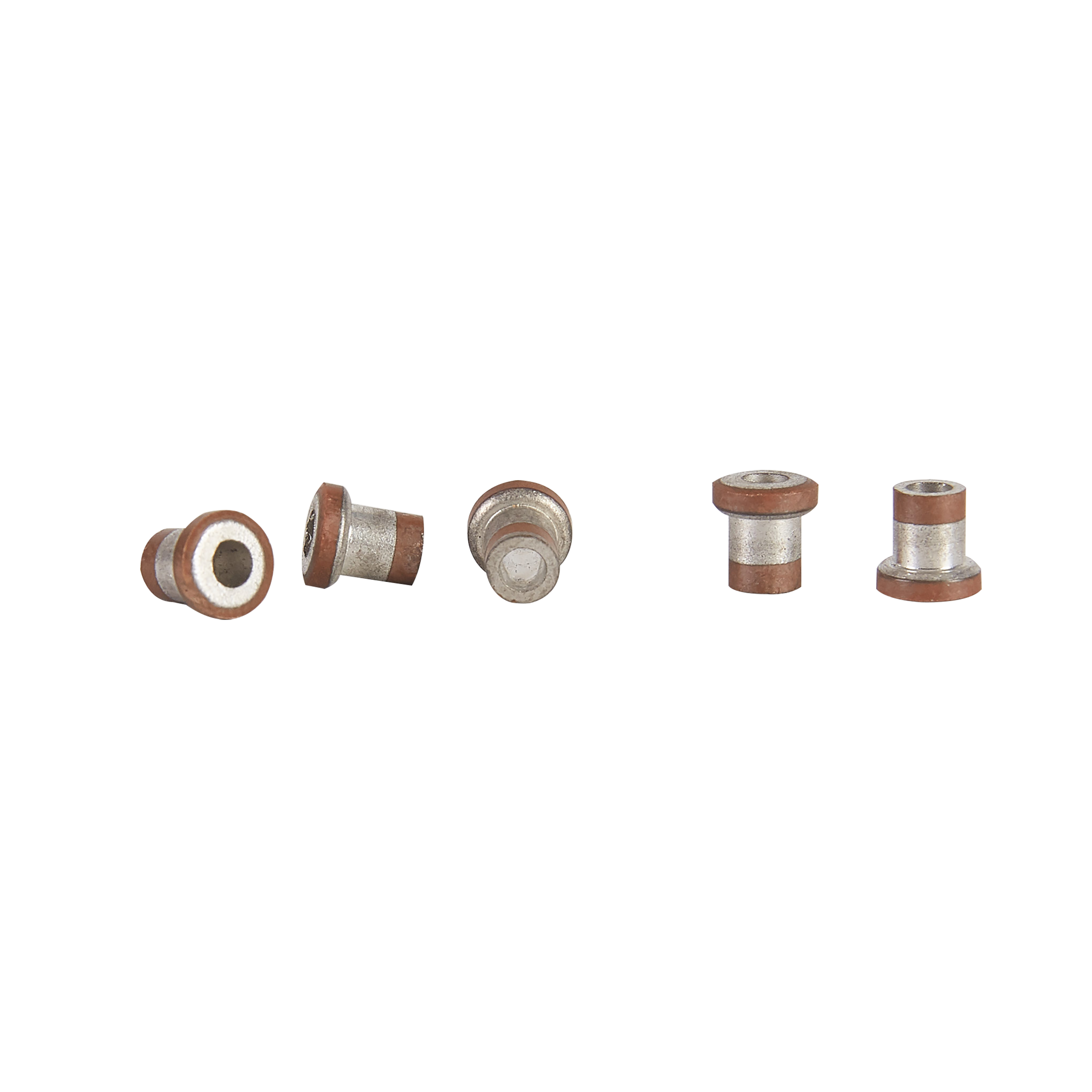 Tubular CapacitorG1915 SeriesG2020 SeriesG2222 SeriesG2416 SeriesG2520 SeriesG2618 SeriesG3822 SeriesG3838 SeriesG4224 SeriesG4330 SeriesG4532 SeriesG4722 SeriesG4737 SeriesG5038 SeriesG6045 Series
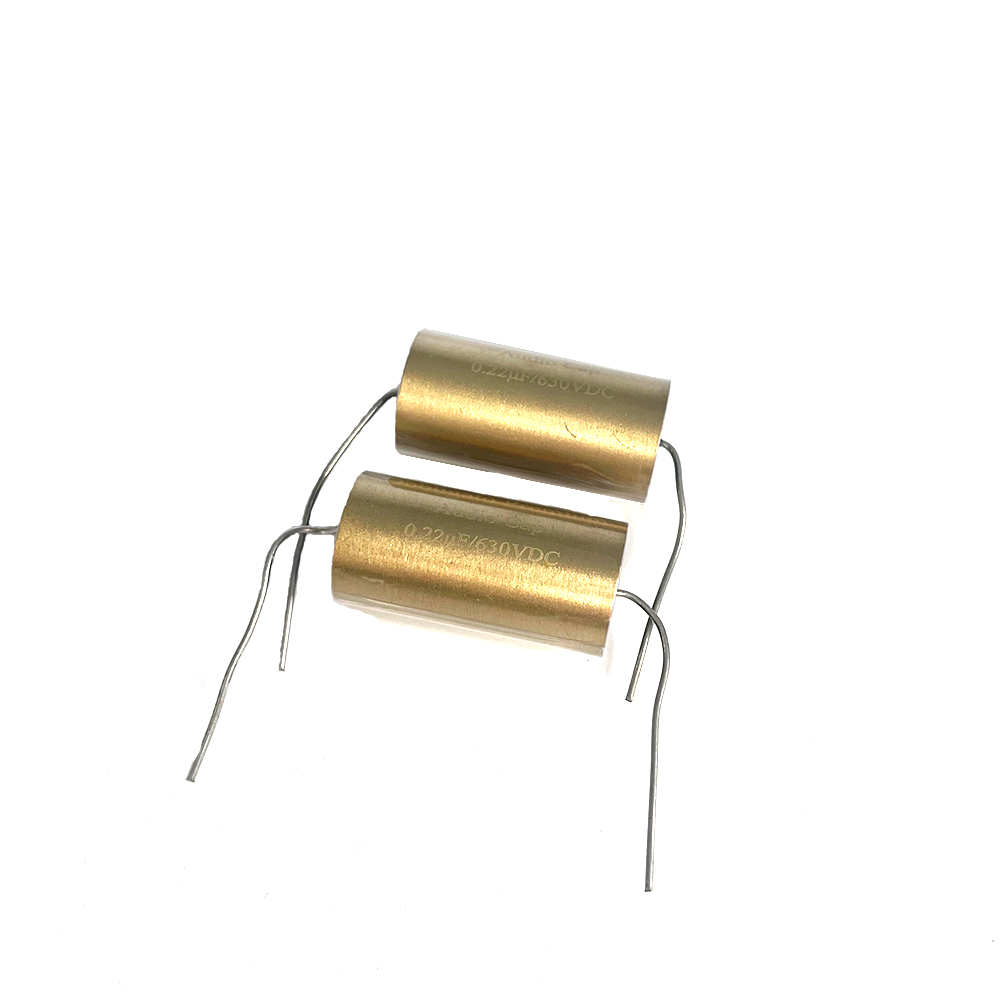 Audio Capacitor
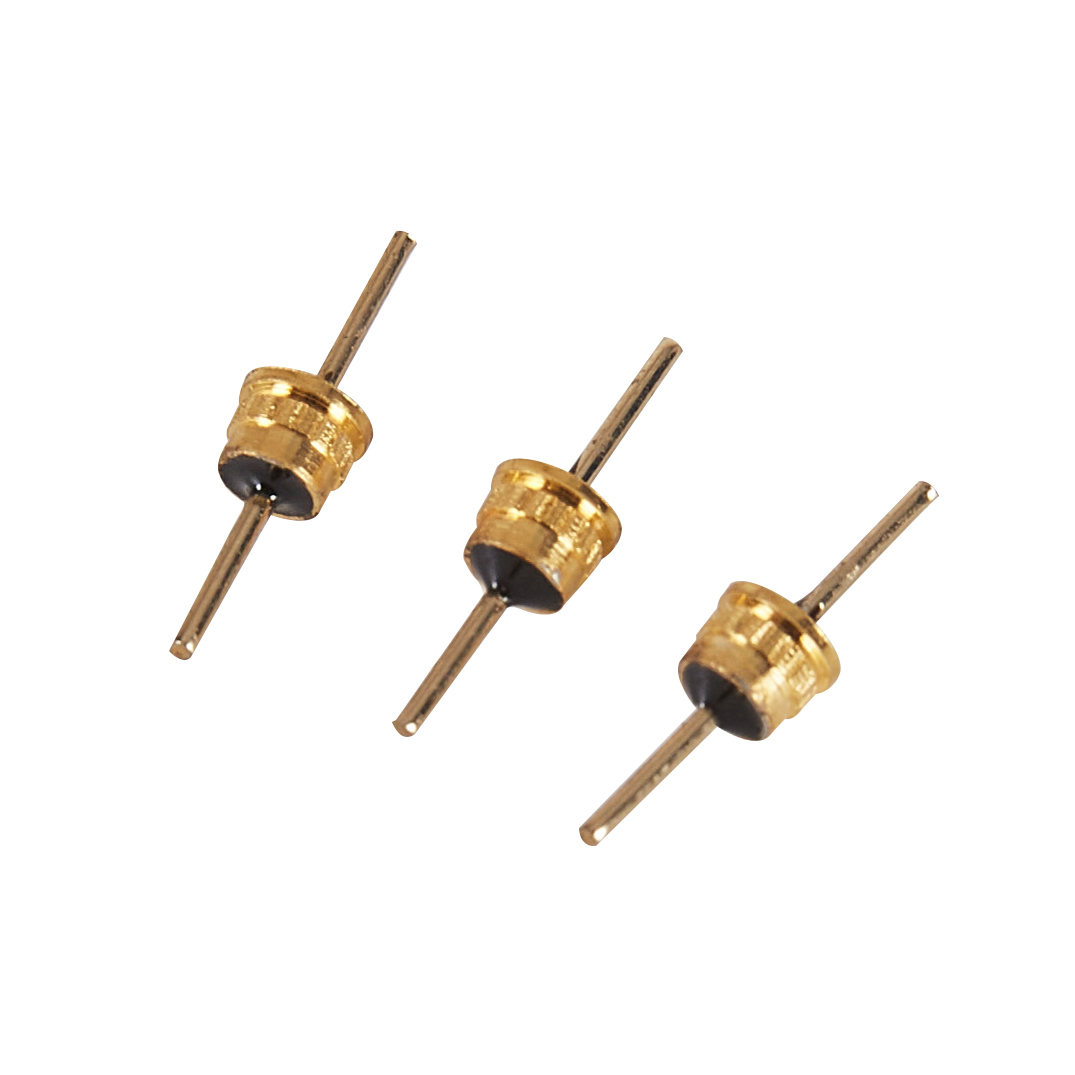 Q4033 Series
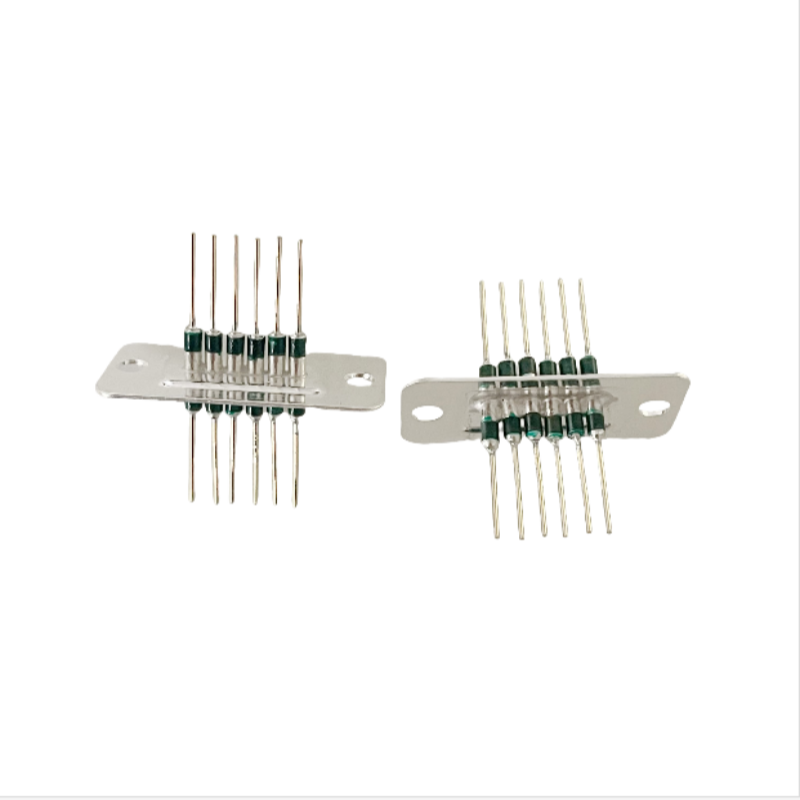 Filtered Array
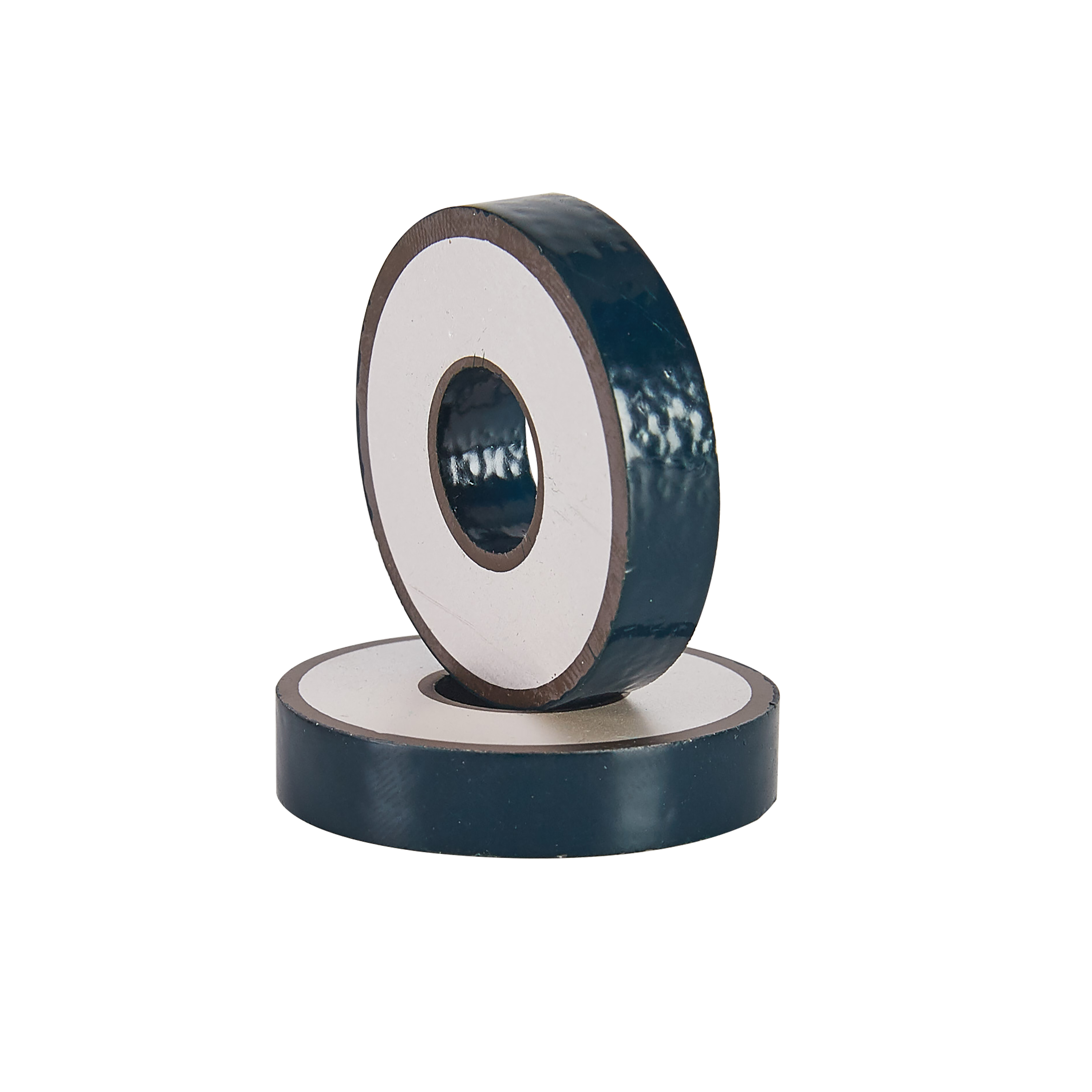 Discoidal Capacitor
 Screw Type EMI Filter
 Solder Mount Feed-thru Capacitor
 Tubular Capacitor
 Audio Capacitor
 Q4033 Series
 Filtered Array
 Discoidal Capacitor

Hidden Enemies: How Environmental Factors Are Dramatically Reducing EMI Filter Service Life147
Issuing time:2025-12-04 09:11 The lifespan of EMI feedthrough capacitor filters is significantly affected by various environmental factors such as temperature, humidity, and vibration/impact. These factors can erode the capacitor's structure and materials at both physical and chemical levels, accelerating component aging or even causing failure. Below are the specific mechanisms and manifestations of these environmental influences: I. Temperature Factors Temperature is a core environmental factor influencing feedthrough capacitor lifespan, encompassing operating temperature range, temperature fluctuations, and thermal cycling: 1. High-Temperature Aging: At elevated temperatures, the molecular structure of the capacitor's dielectric material can change, leading to a decrease in dielectric constant and a decline in insulation performance. Metal electrodes and solder joints undergo accelerated oxidation, increasing contact resistance. 2. Low-Temperature Embrittlement: Extremely low temperatures can make the capacitor's dielectric layer brittle, particularly ceramic dielectrics, making them prone to micro-cracks. Simultaneously, the differing coefficients of thermal expansion between the metal housing and the center conductor can generate mechanical stress, potentially causing internal structural loosening. 3. Thermal Cycling: Repeated temperature rises and falls from equipment startup/shuntdown cycles cause fatigue stress in the capacitor's various components due to their different thermal expansion coefficients. This can gradually lead to dielectric cracking, solder joint detachment, and other issues. II. Humidity and Moisture Factors Humid environments can damage the feedthrough capacitor's structure through moisture penetration and electrochemical corrosion: 1. Moisture Ingress: If the capacitor's sealed package has gaps, moisture can enter the interior. This causes the dielectric layer to become damp, significantly reducing insulation resistance and potentially causing leakage current or even short circuits between electrodes. 2. Electrochemical Corrosion: Moisture reacts with the capacitor's metal components through oxidation, generating rust or corrosive layers. This not only increases contact resistance but can also reduce the center conductor's cross-sectional area, lowering its current-carrying capacity and potentially leading to overheating and burnout. III. Vibration and Shock Factors In applications like engineering machinery, rail transit, and aerospace, mechanical vibration and shouck can damage the capacitor's mechanical structure: 1. Vibration Fatigue: Continuous low-frequency vibration induces fatigue stress at the capacitor's flange mounting points and PCB solder joints, potentially leading to bolt loosening or solder joint failure over time. Internal micro-displacement between the center conductor and dielectric layer can also occur due to vibration, causing changes in parameters and degraded filtering performance. 2. Shock Damage: Instantaneous mechanical shock with high acceleration can cause the dielectric layer to crack, the center conductor to bend, or even result in immediate component failure. IV. Electromagnetic Interference (EMI) Overload Factors Although feedthrough capacitors are themselves anti-interference devices, extremely intense electromagnetic environments can also affect their lifespan: 1. When the intensity of external EMI far exceeds the capacitor's filtering capability, a significant amount of electromagnetic energy is converted into heat, causing a sharp internal temperature rise that accelerates dielectric aging. Concurrently, strong electromagnetic fields can generate electromagnetic forces, causing slight deformation in the capacitor's metal parts, which may lead to structural failure over the long term. |
